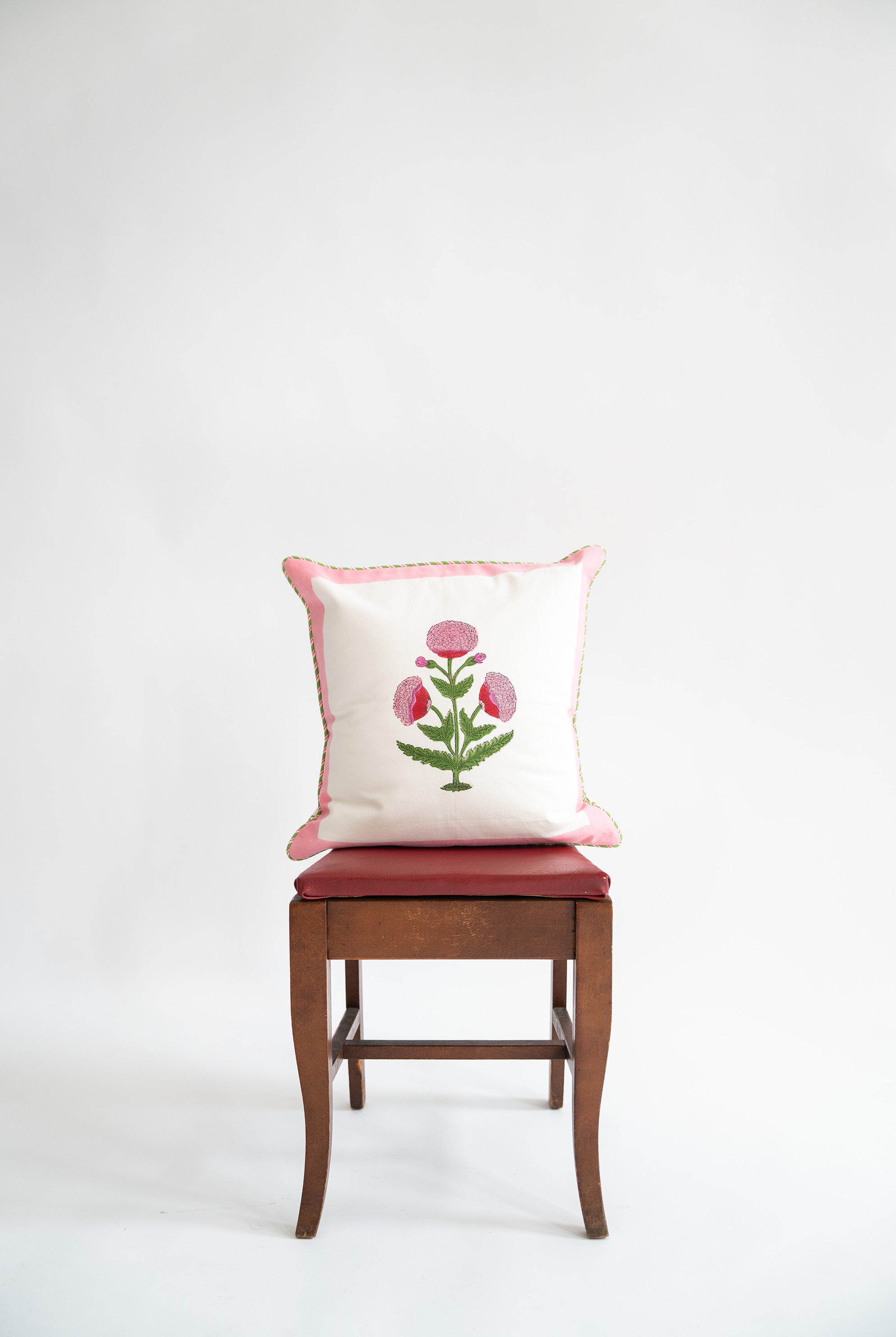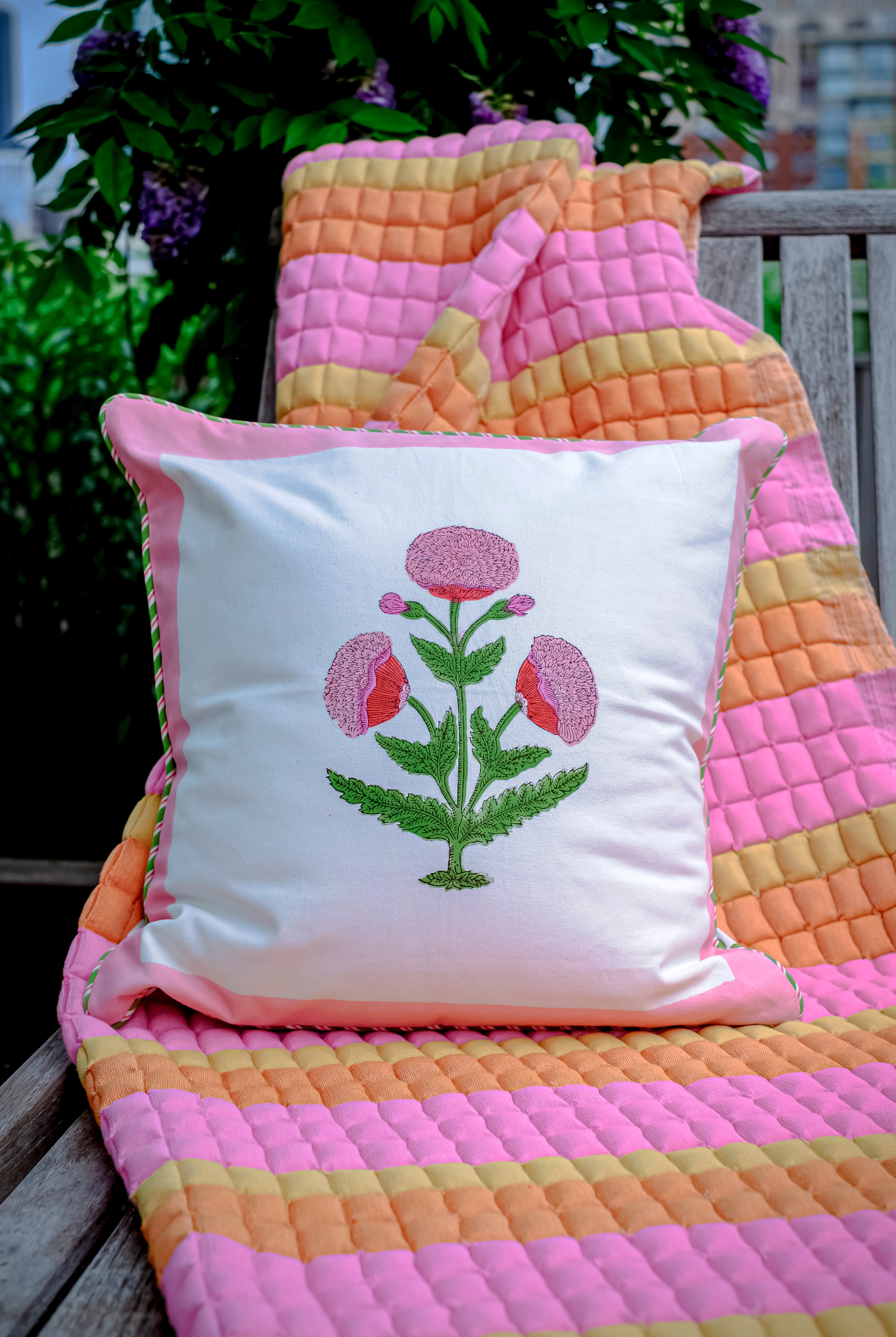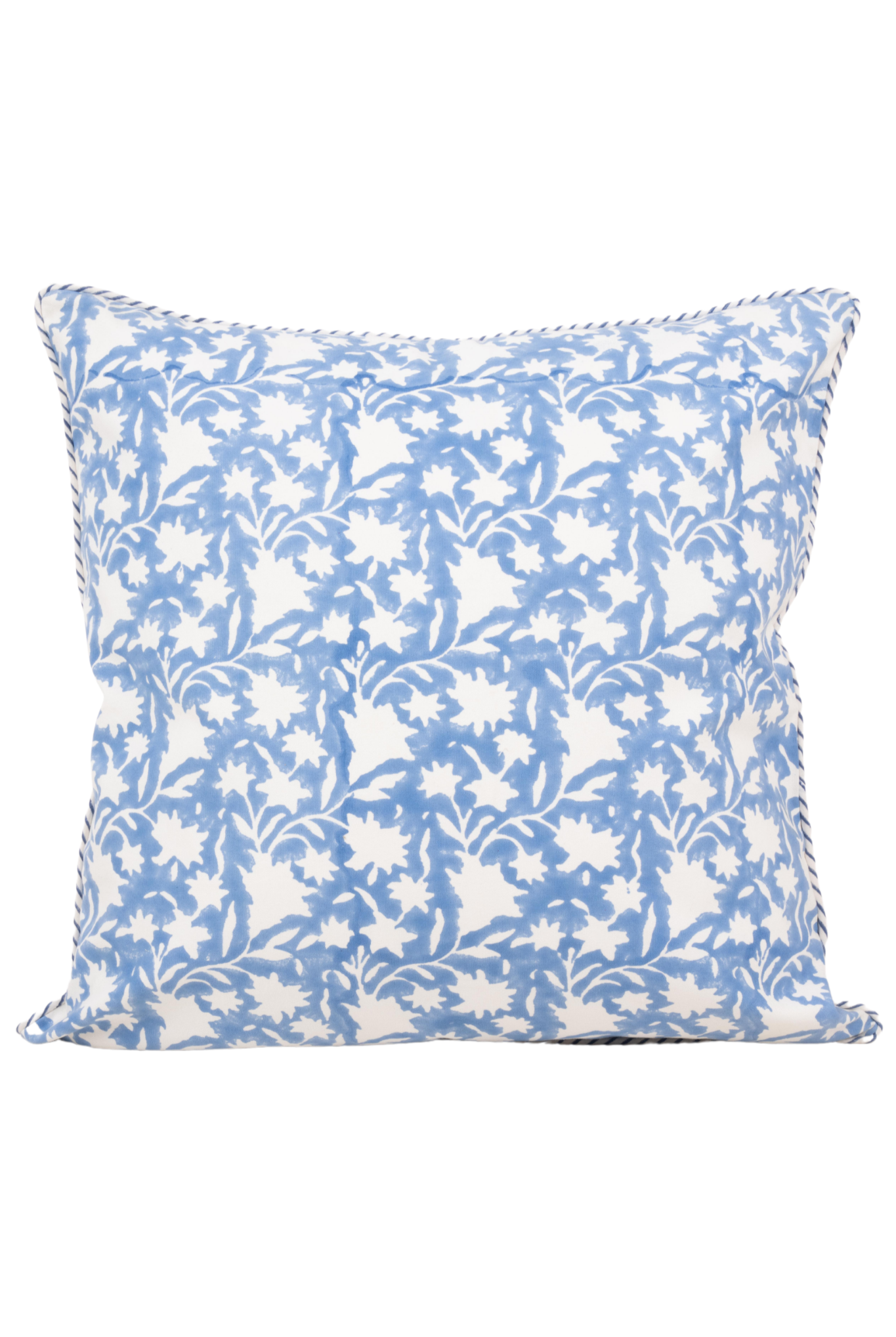



Craft heritage · Rajasthan, India
The story
pressed by hand
Block printing is one of the oldest forms of textile art in the world — carried from China along trade routes to the desert state of Rajasthan.
Scroll to explore
✦ The craft ✦
Thirteen hundred years,
pressed into every thread
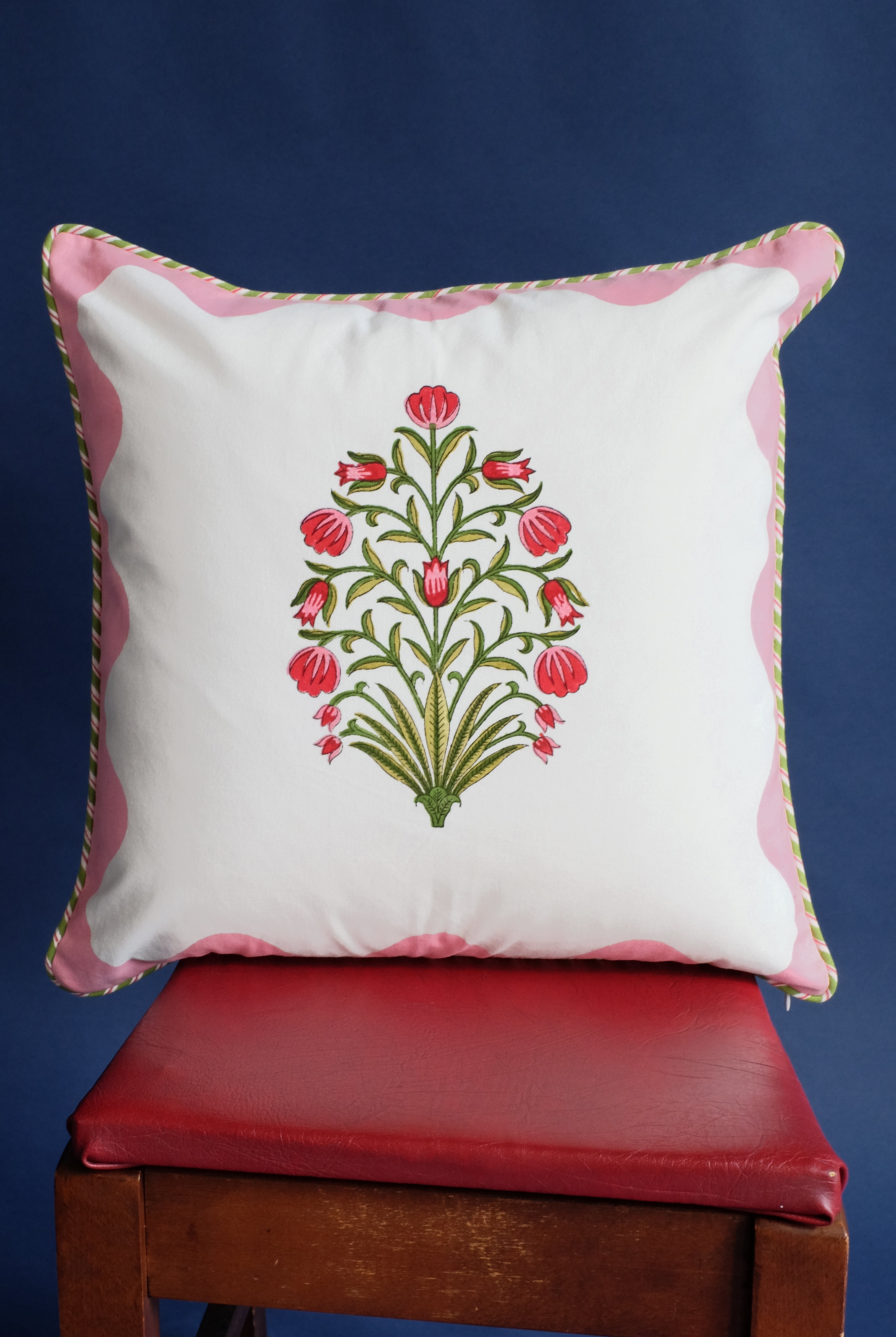
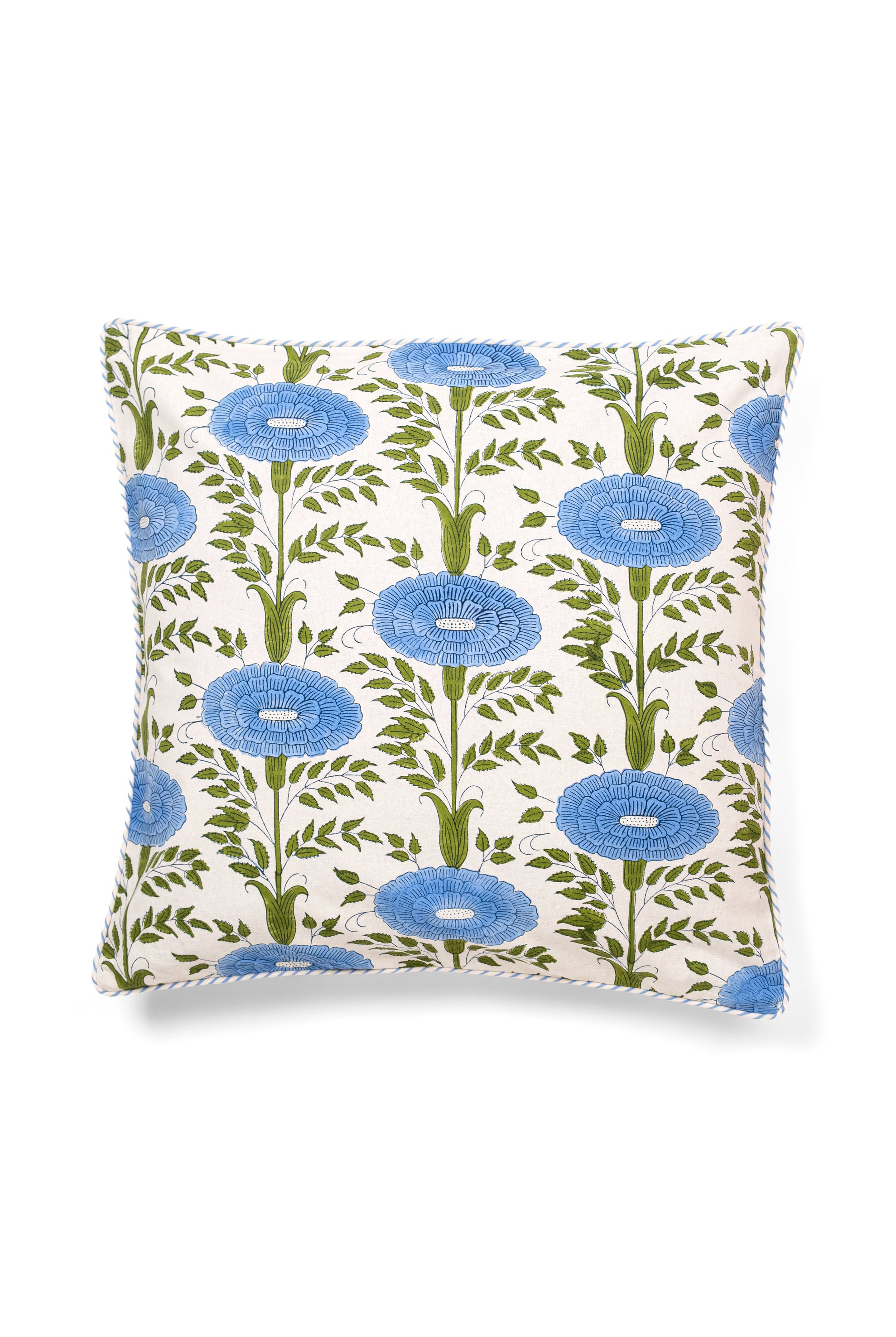
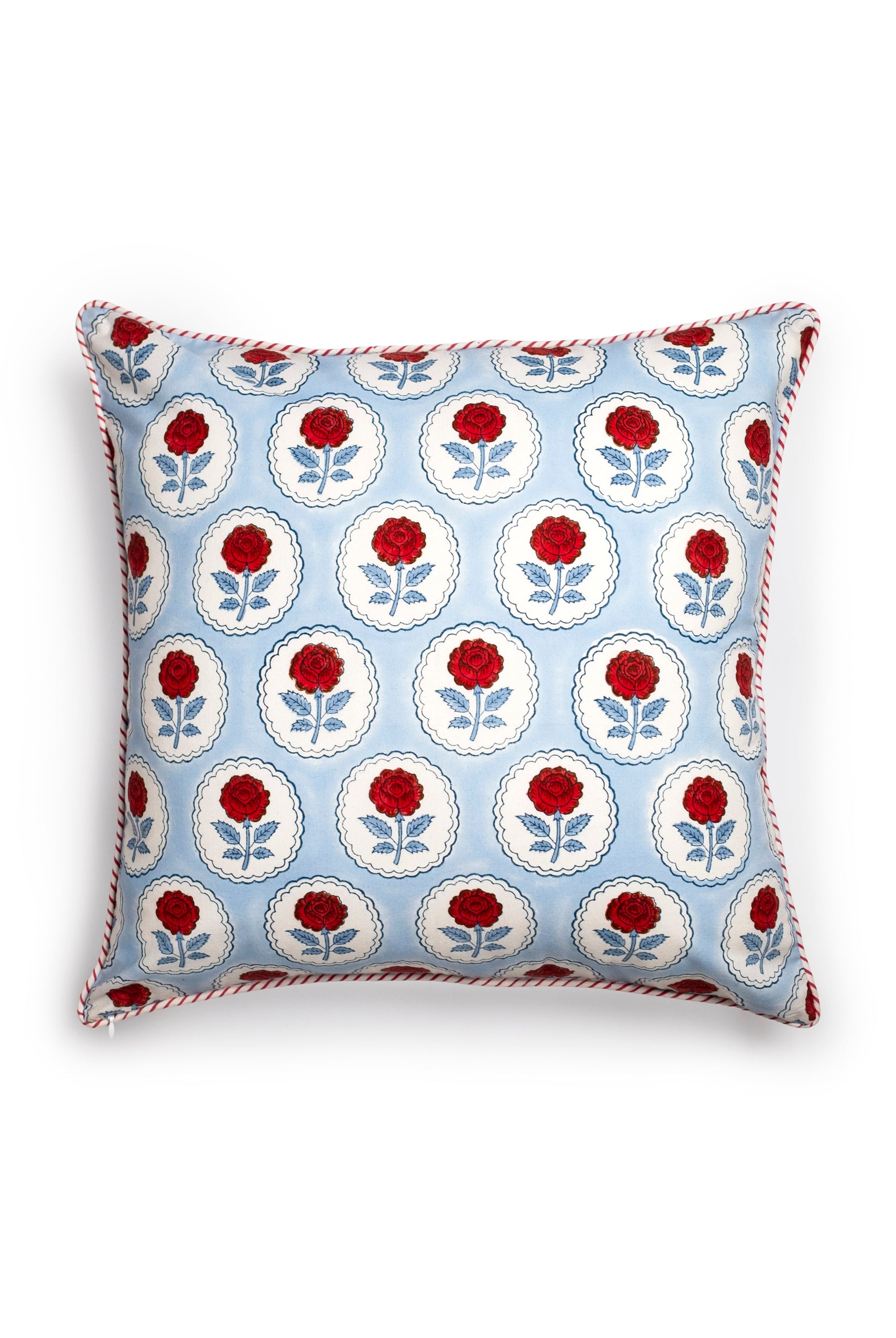
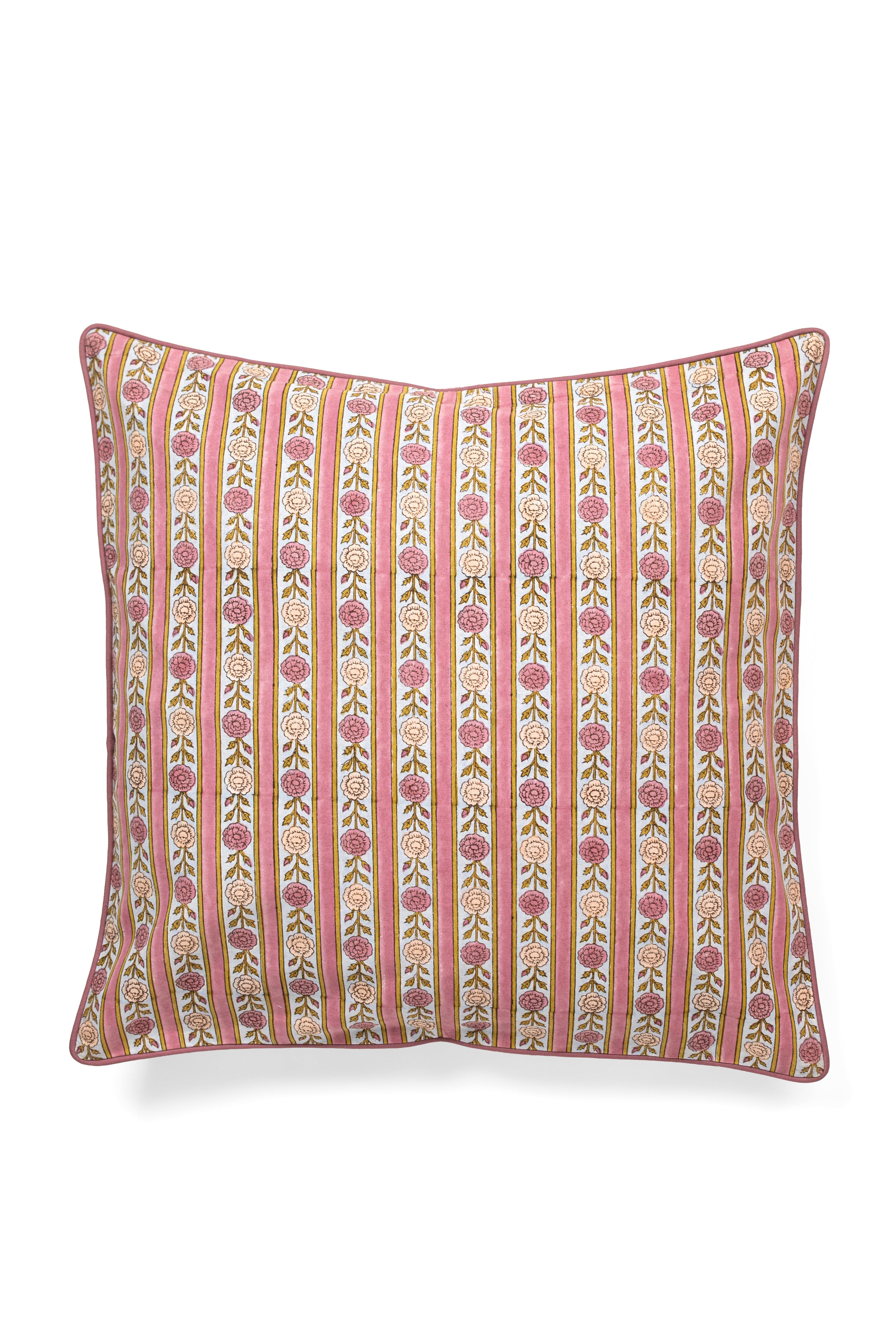
Block printing is one of the oldest forms of textile art in the world. Its earliest traces appear in China more than two thousand years ago. The craft traveled outward along trade routes, but it was in India - and particularly in the desert state of Rajasthan - that block printing took on a life of its own.
Each print carries the memory of every hand that touched it.
For at least five hundred years, families in towns like Sanganer and Bagru have been carving, dyeing, and printing by hand - passing the work from parent to child through generations of the Chhipa community of printers.
Contact us
Reach us at [email protected]
How it's made
The process
Five hundred years of craft, pressed into every inch of cloth
Carving
Each pattern is hand-chiselled in reverse into seasoned teak or sheesham wood. A single design can require up to 5–8 individual blocks.
Conditioning
Fine motifs take days to carve. Once complete, the wood is soaked in oil to soften it and prepare it to hold dye.
Printing
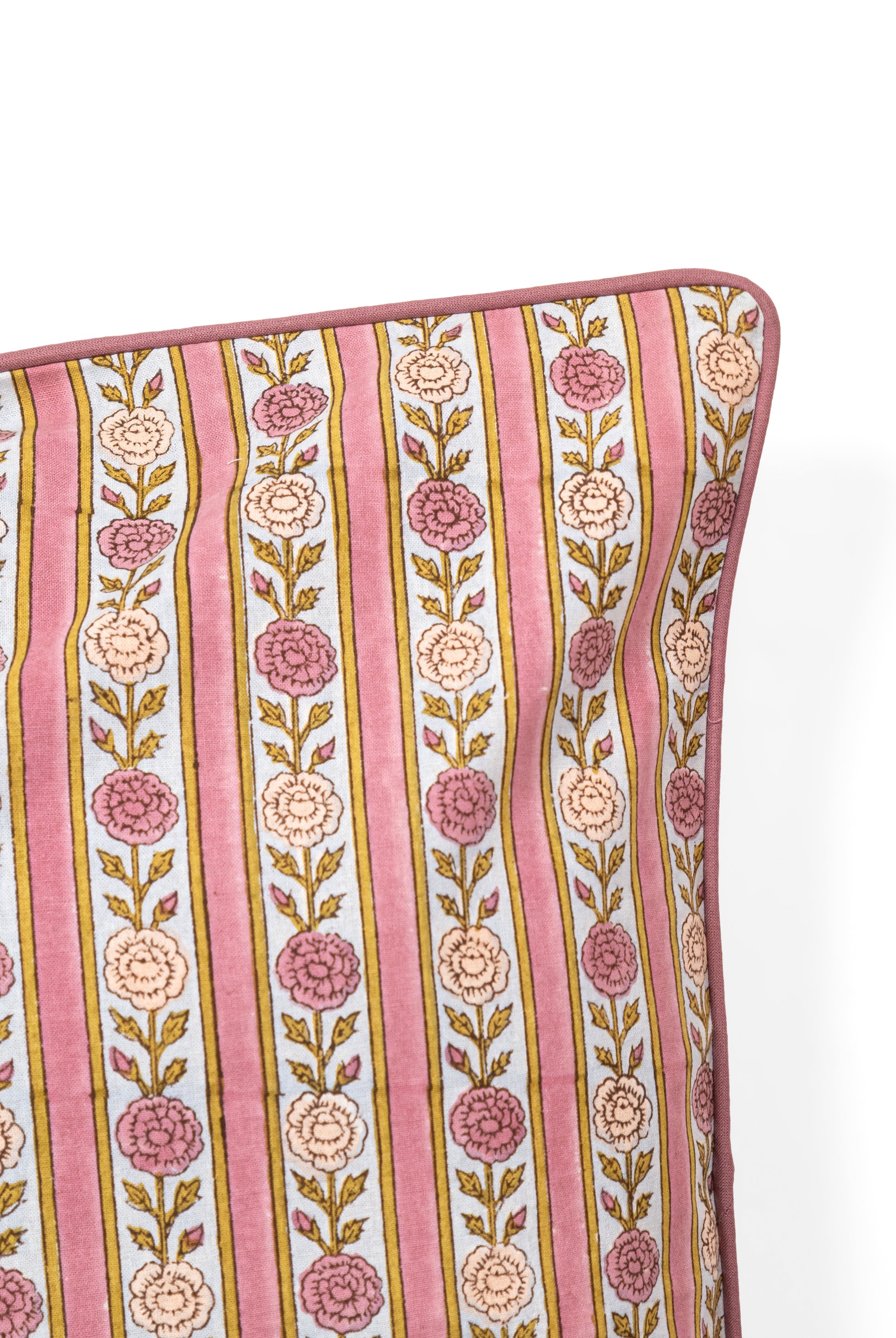
The block is tapped into dye, lifted, and pressed firmly onto the fabric with the heel of the hand — a rhythm repeated across every inch of cloth.
Setting
The printed fabric dries in the sun, then washes in flowing water. What remains carries the memory of every hand that touched it.


The makers
The making of the handblock
Each stage of production, from the fashioning of the handblock to the stencilling of intricate designs, embodies a craft passed down through generations.
Our commitment
No AZO dyes. Not negotiable.
AZO dyes make up the majority of the world's textile dyes. Certain ones break down into aromatic amines linked to skin irritation, allergic reactions, and in some cases, cancer. They also pollute the rivers and groundwater where dyed fabrics are rinsed.
Our position
It is a quiet decision, but for us it is not a negotiable one. Every piece we make uses only natural and AZO-free dyes.


the craft in motion
Handcrafted, block by block
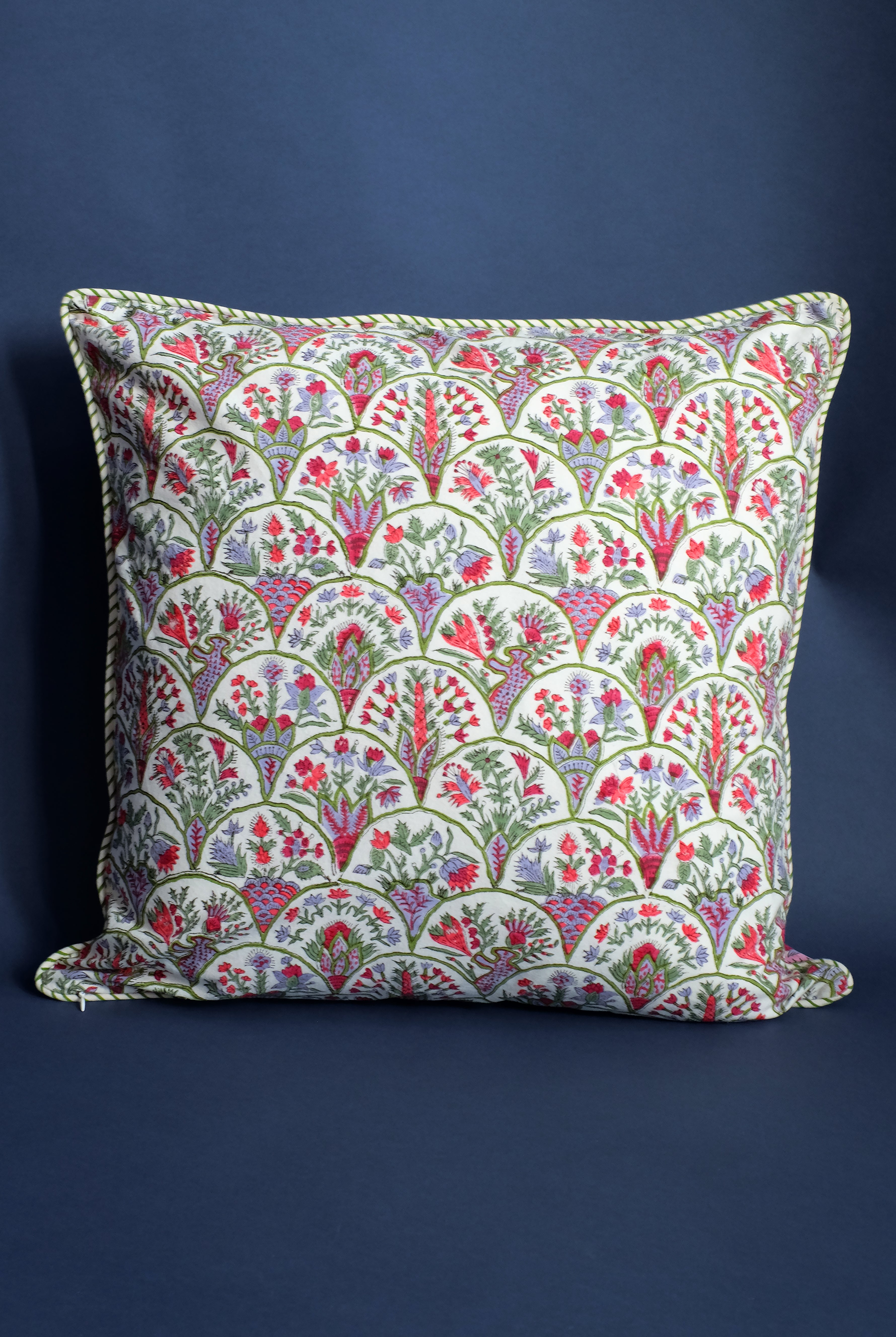
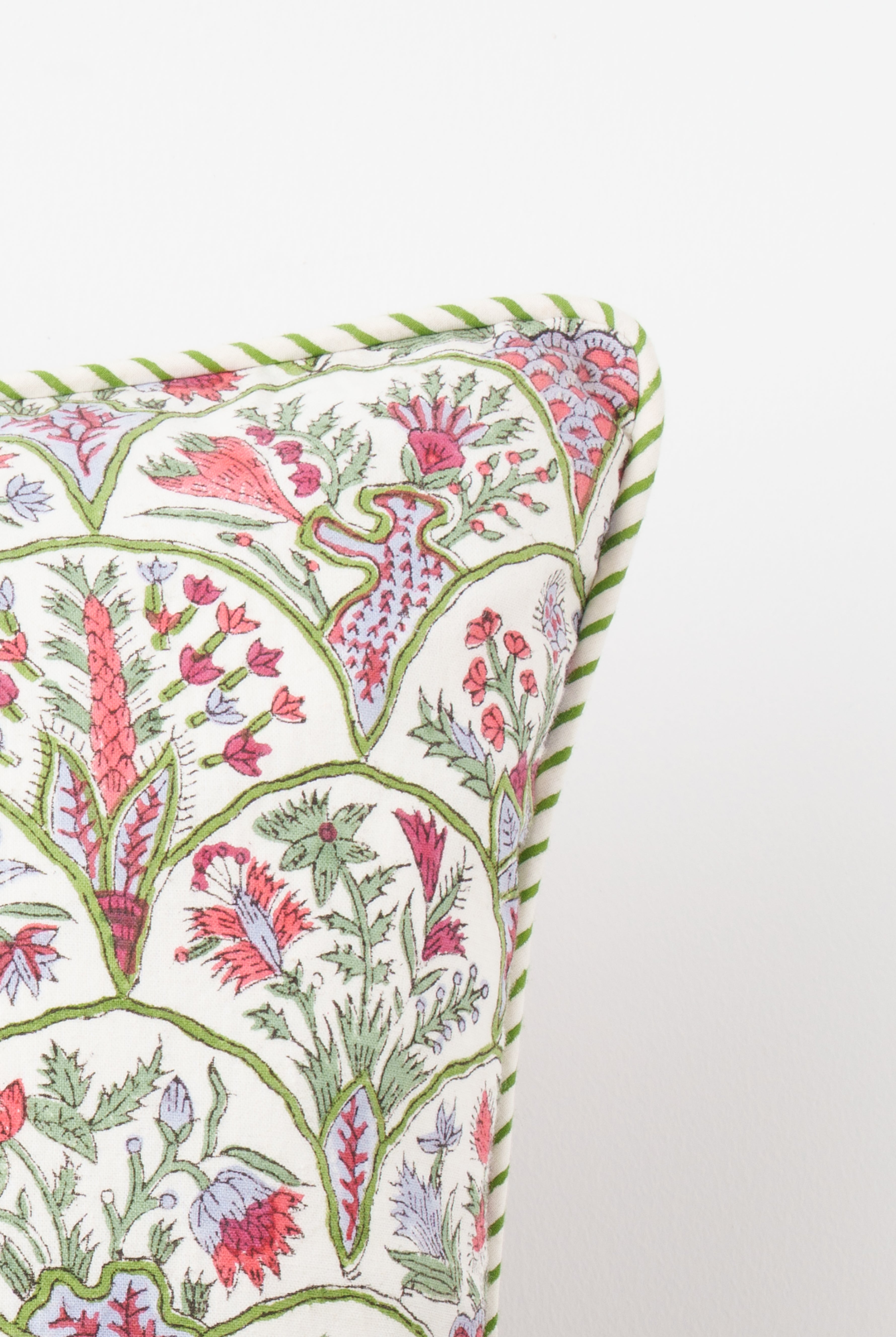
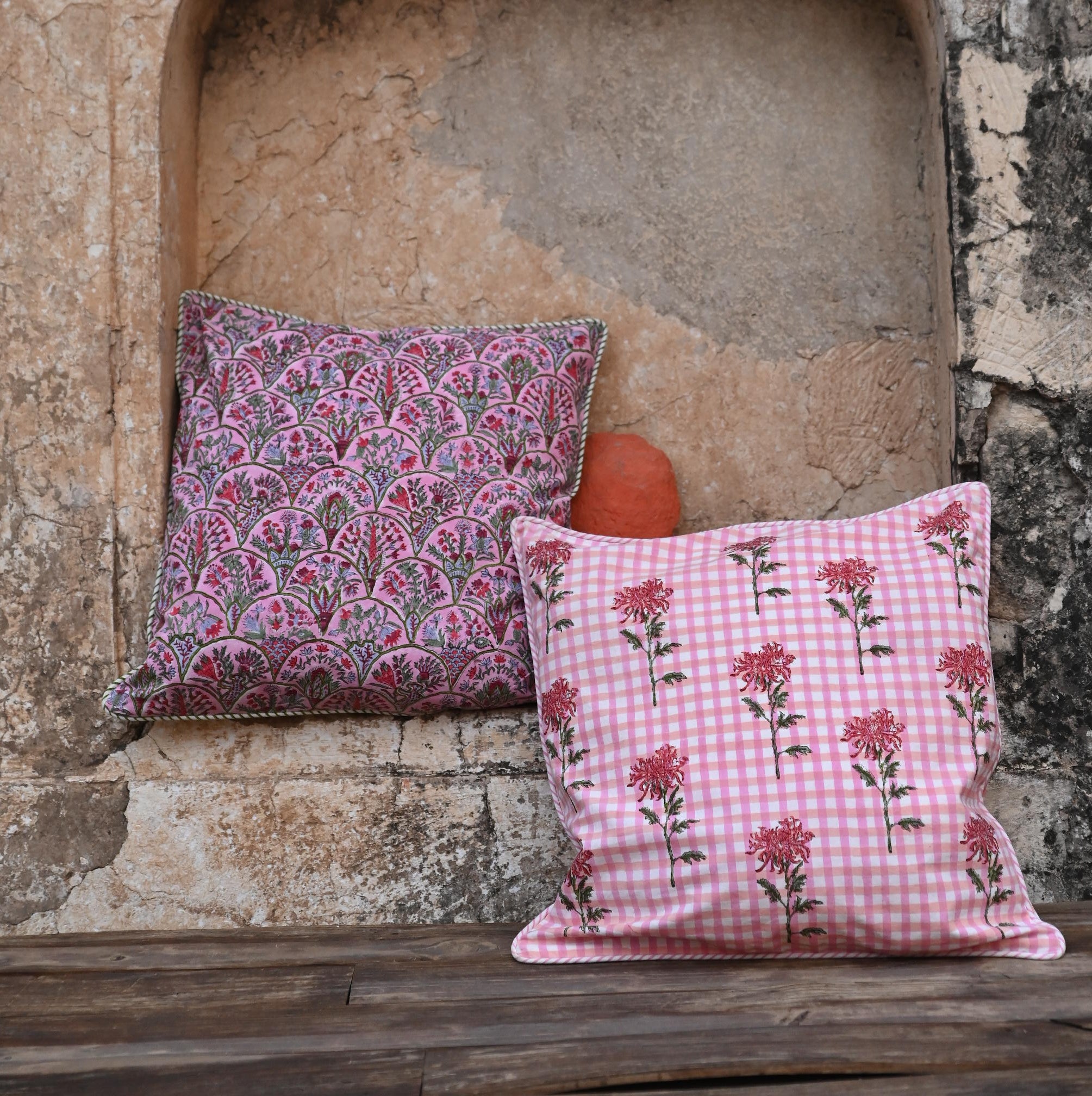
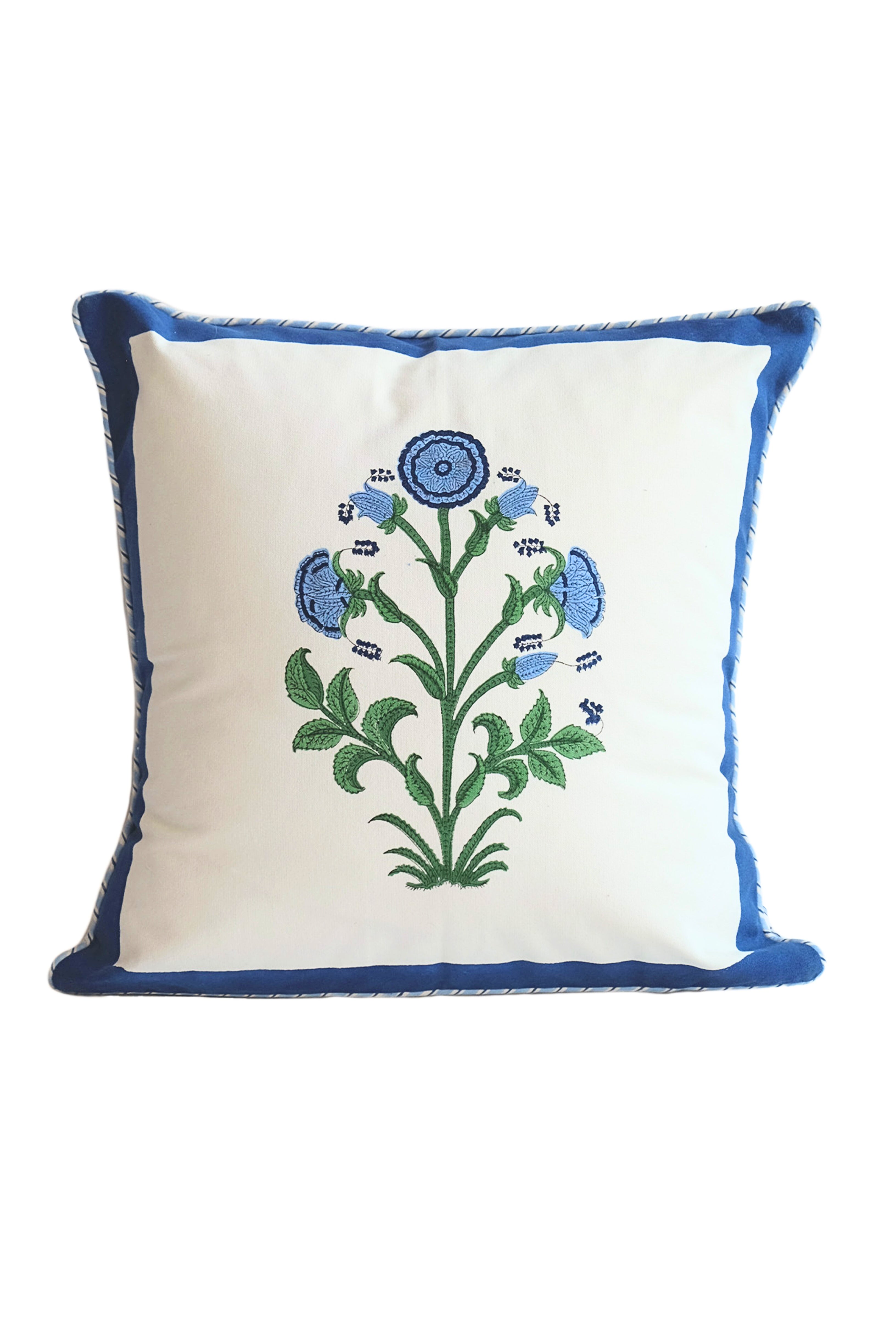
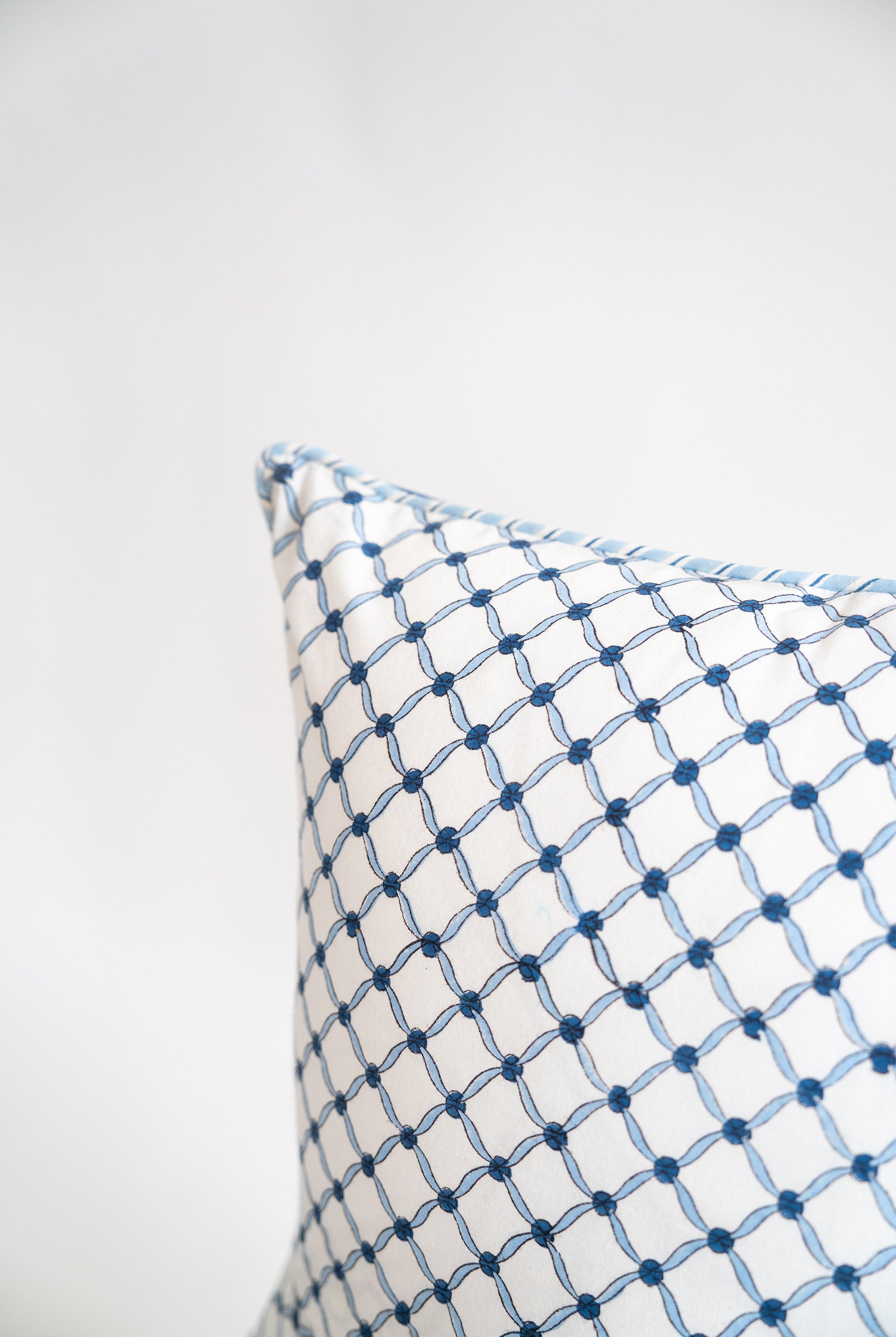
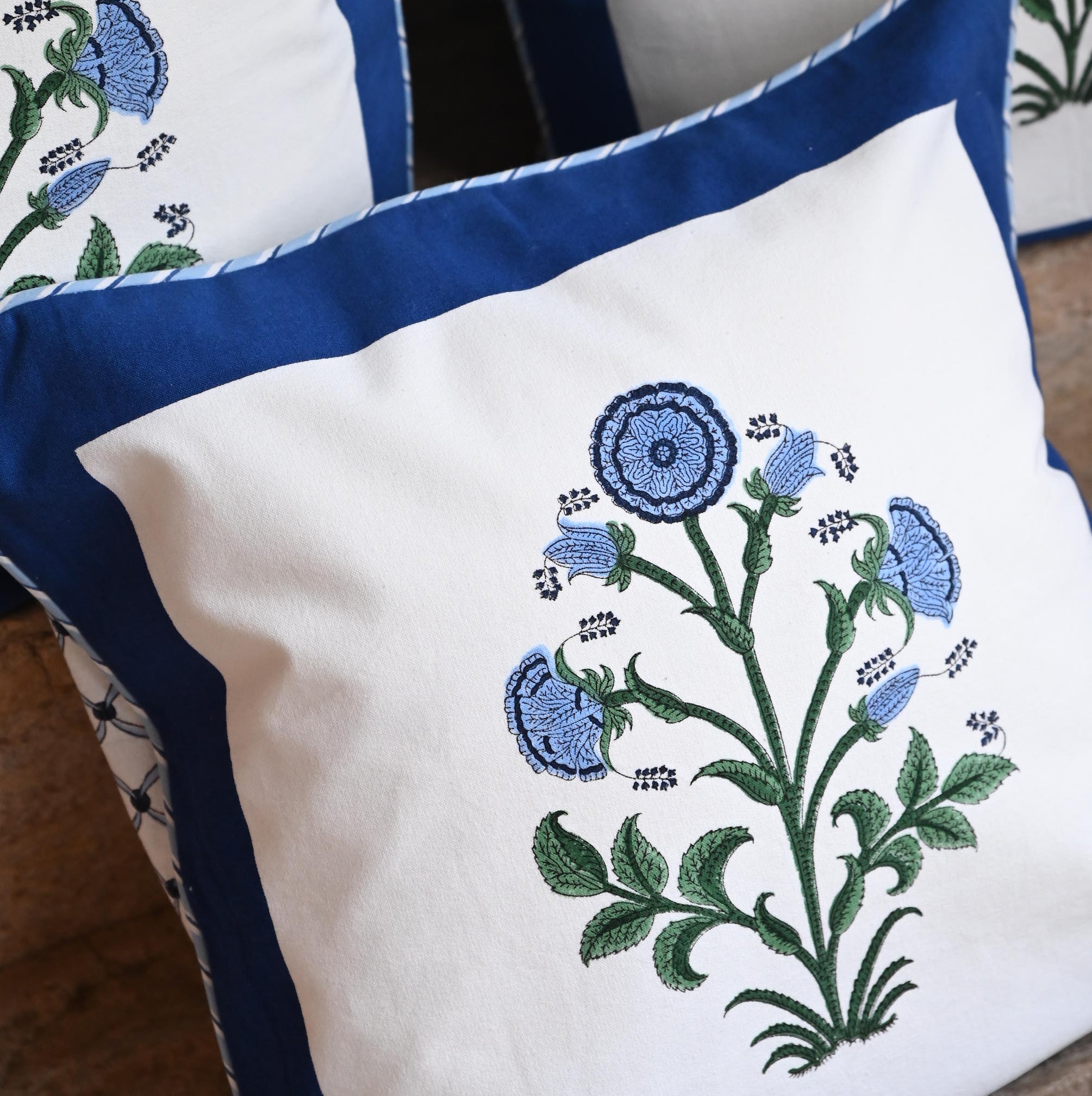
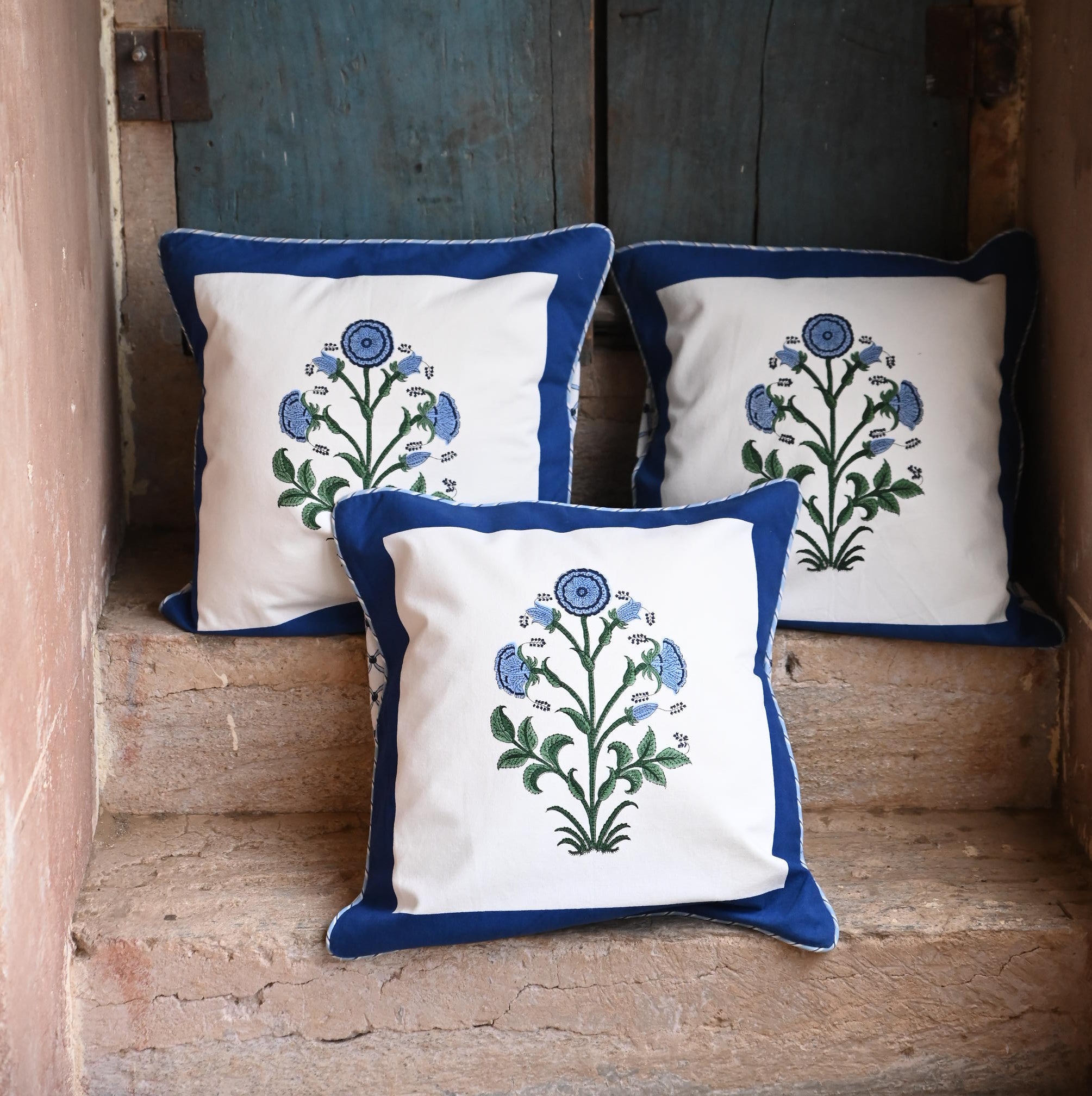
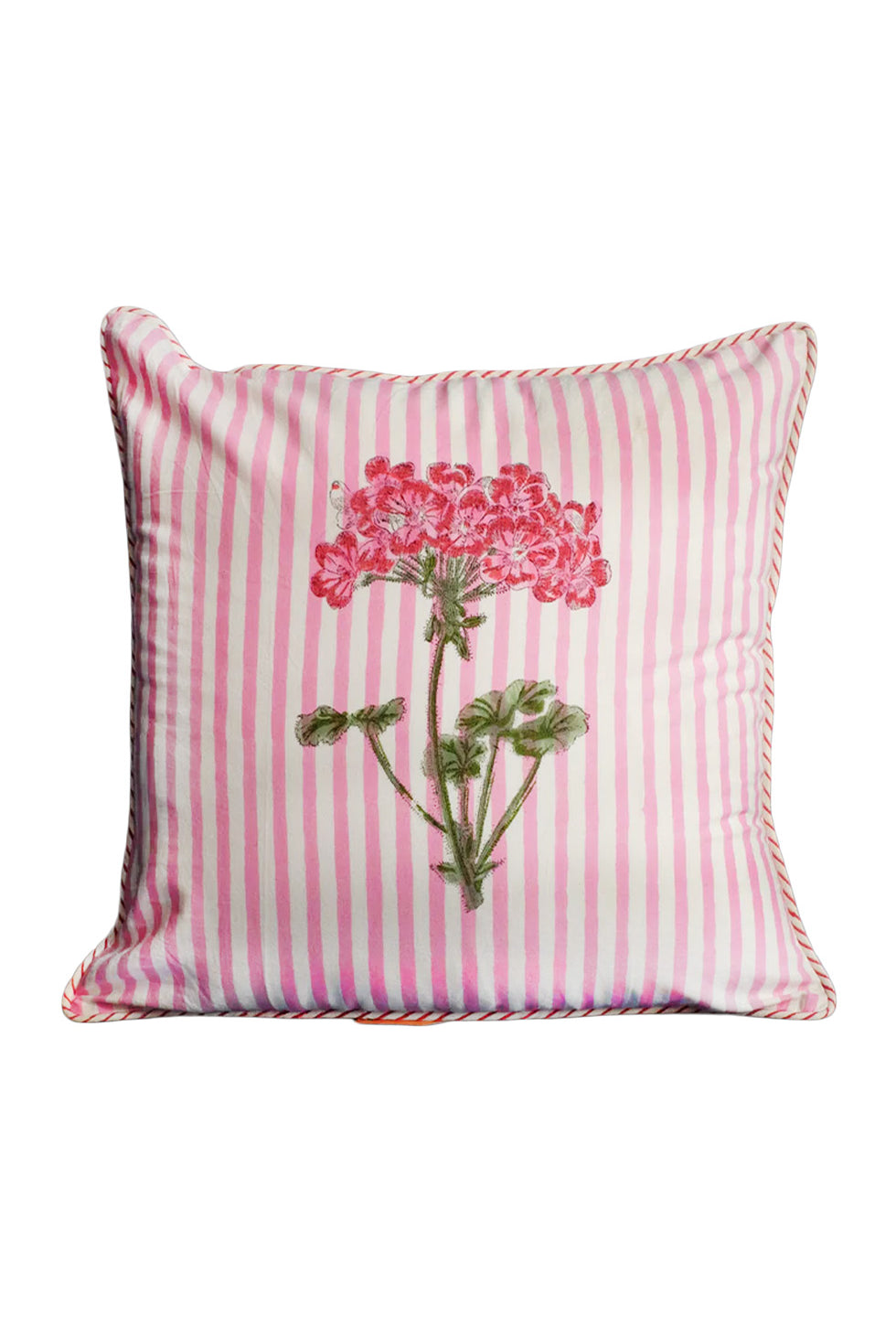
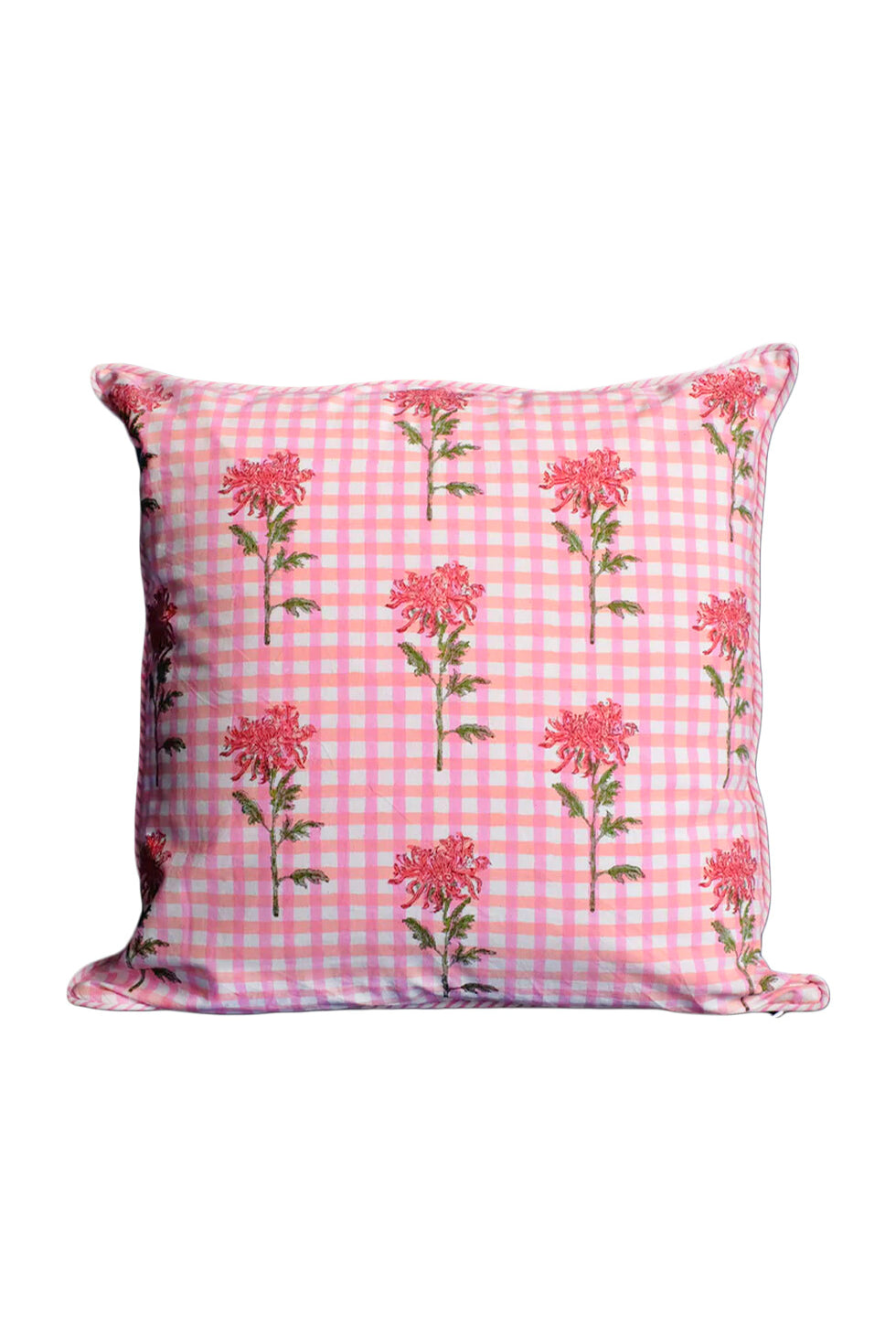
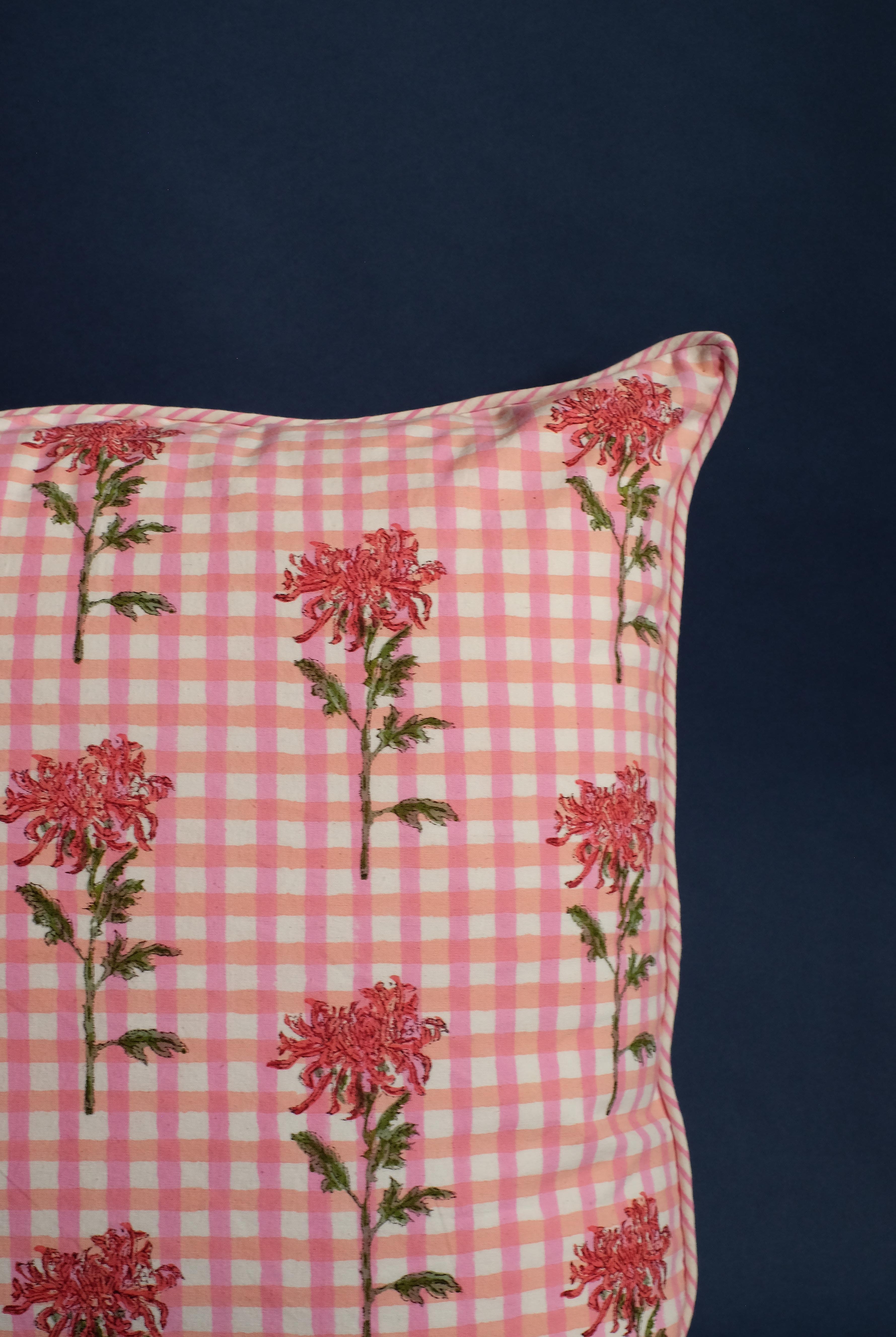
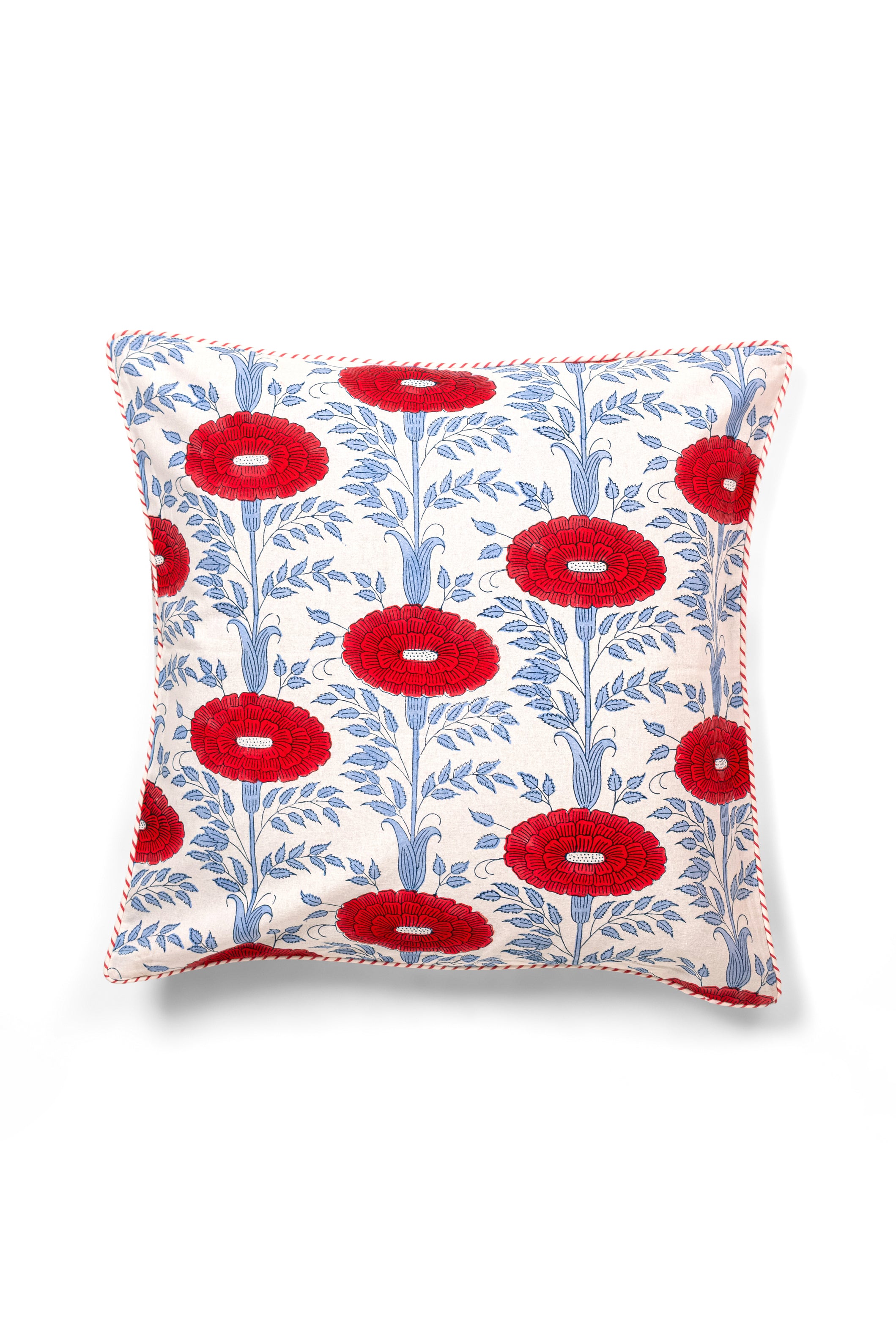
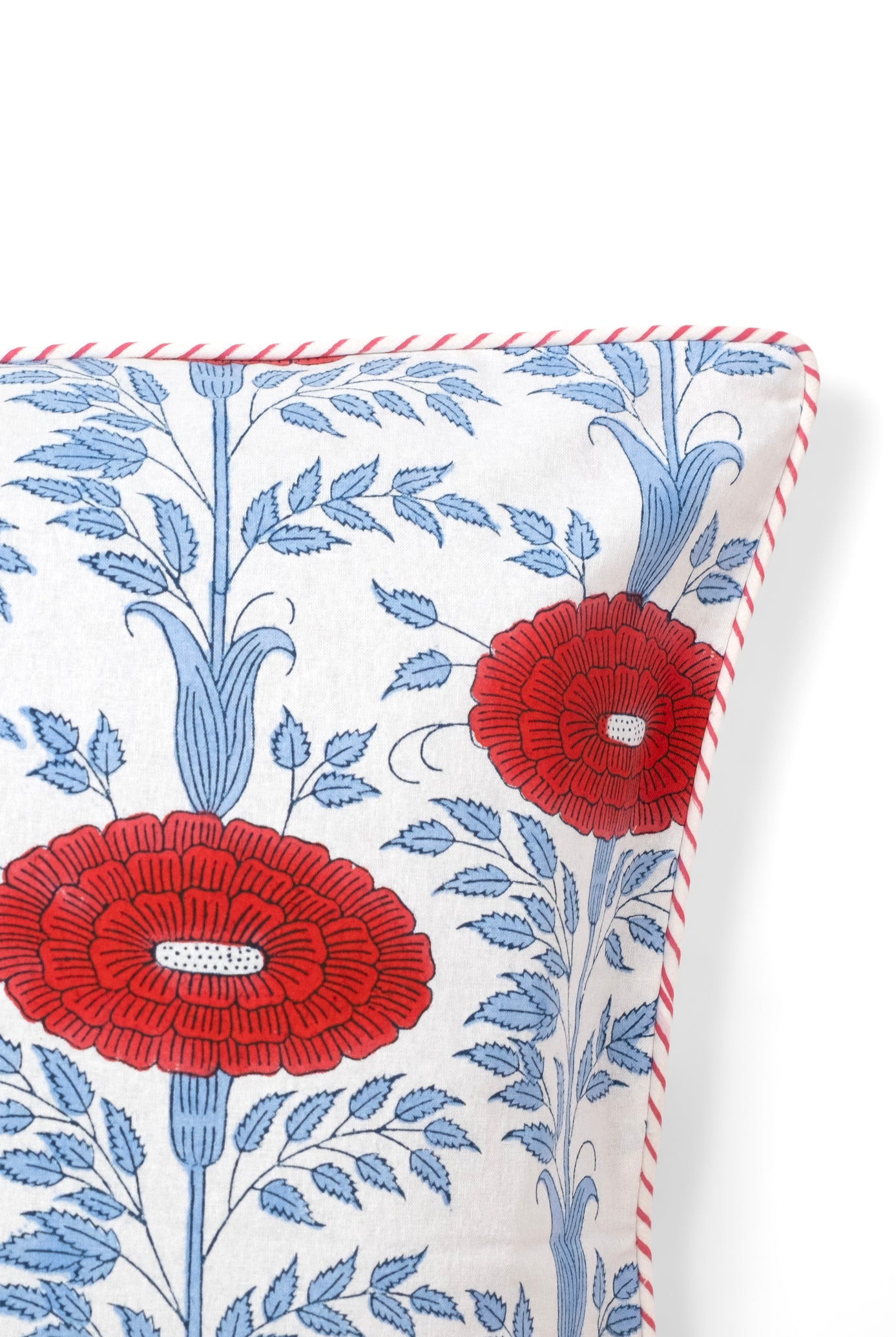
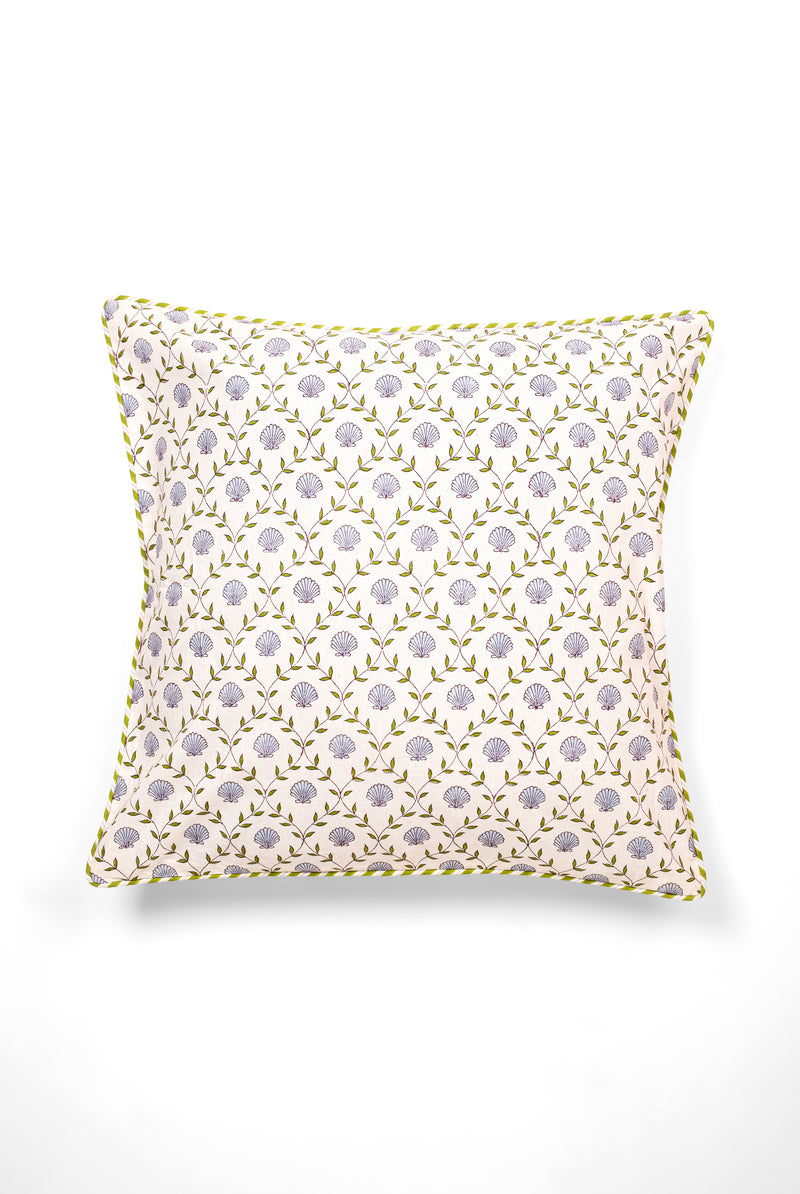
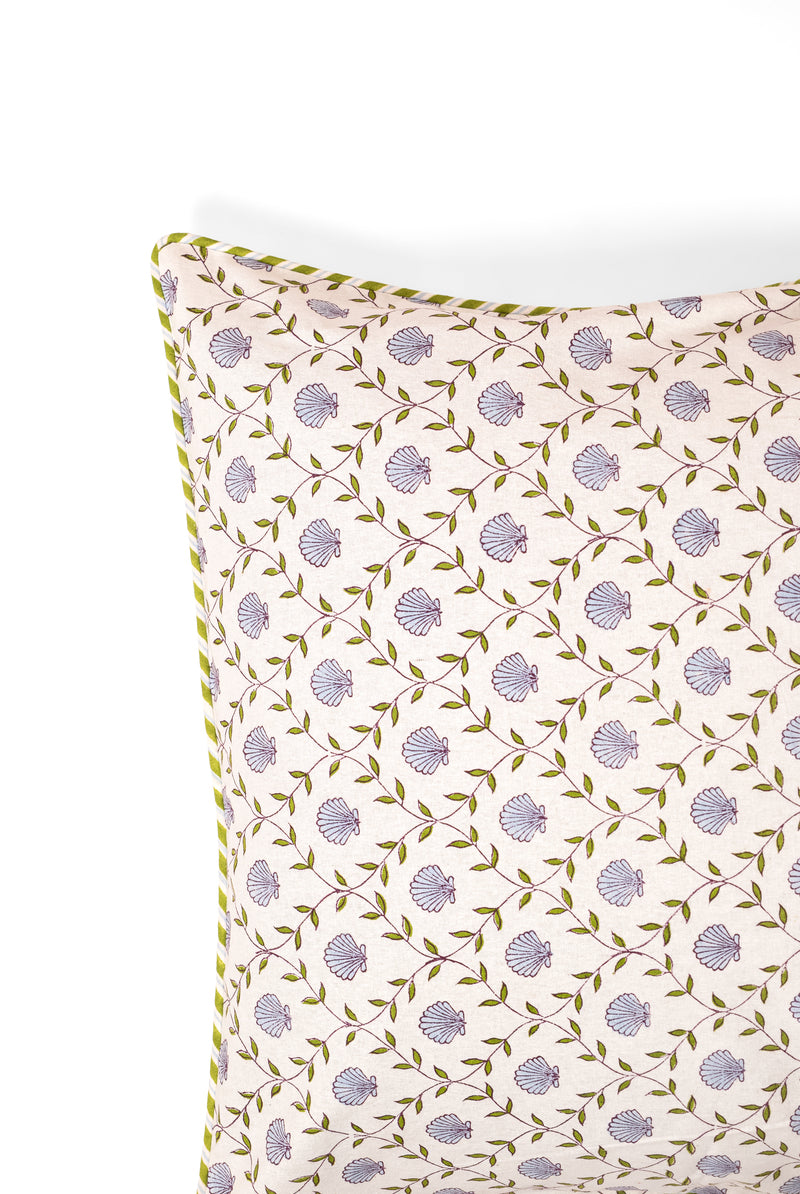
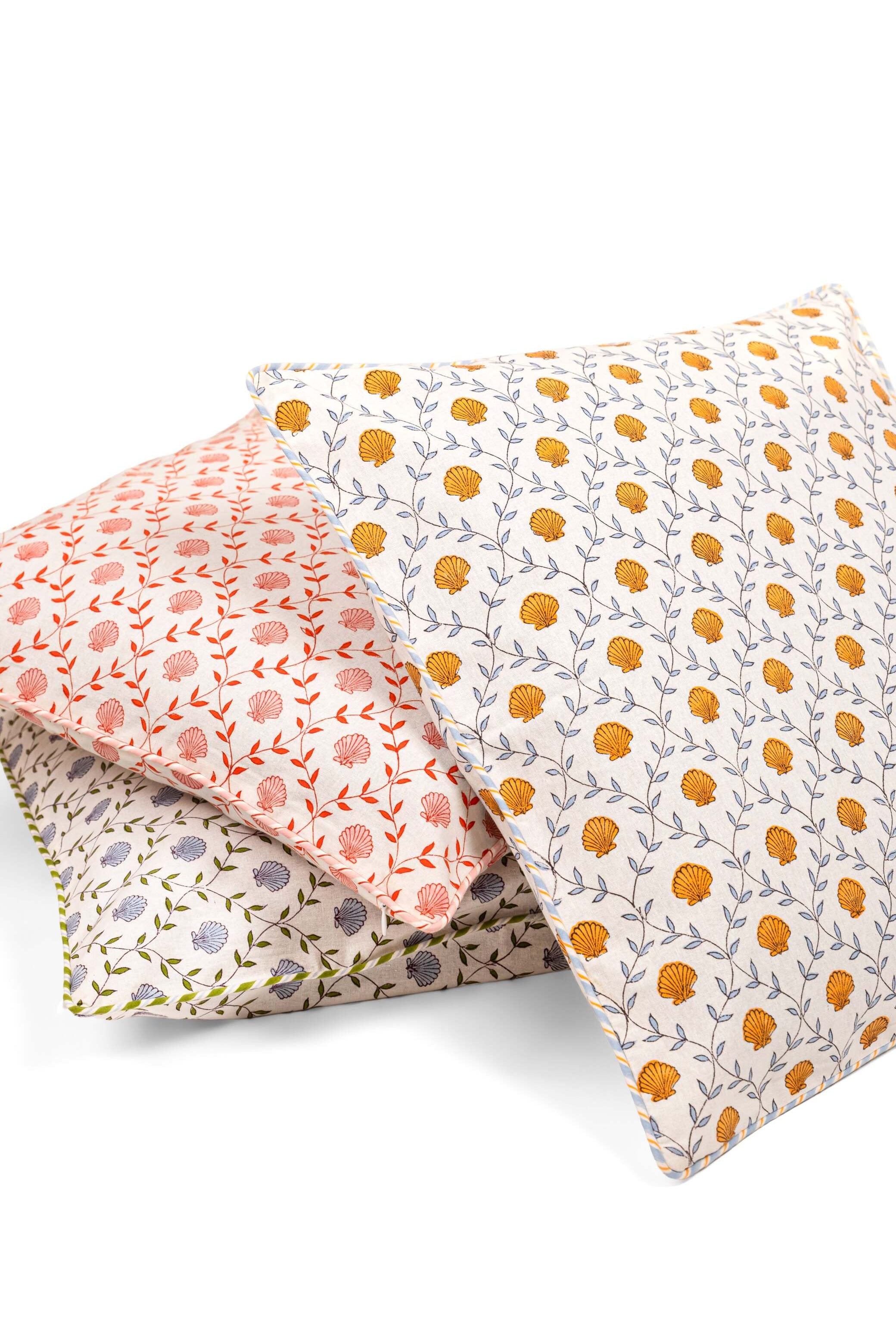
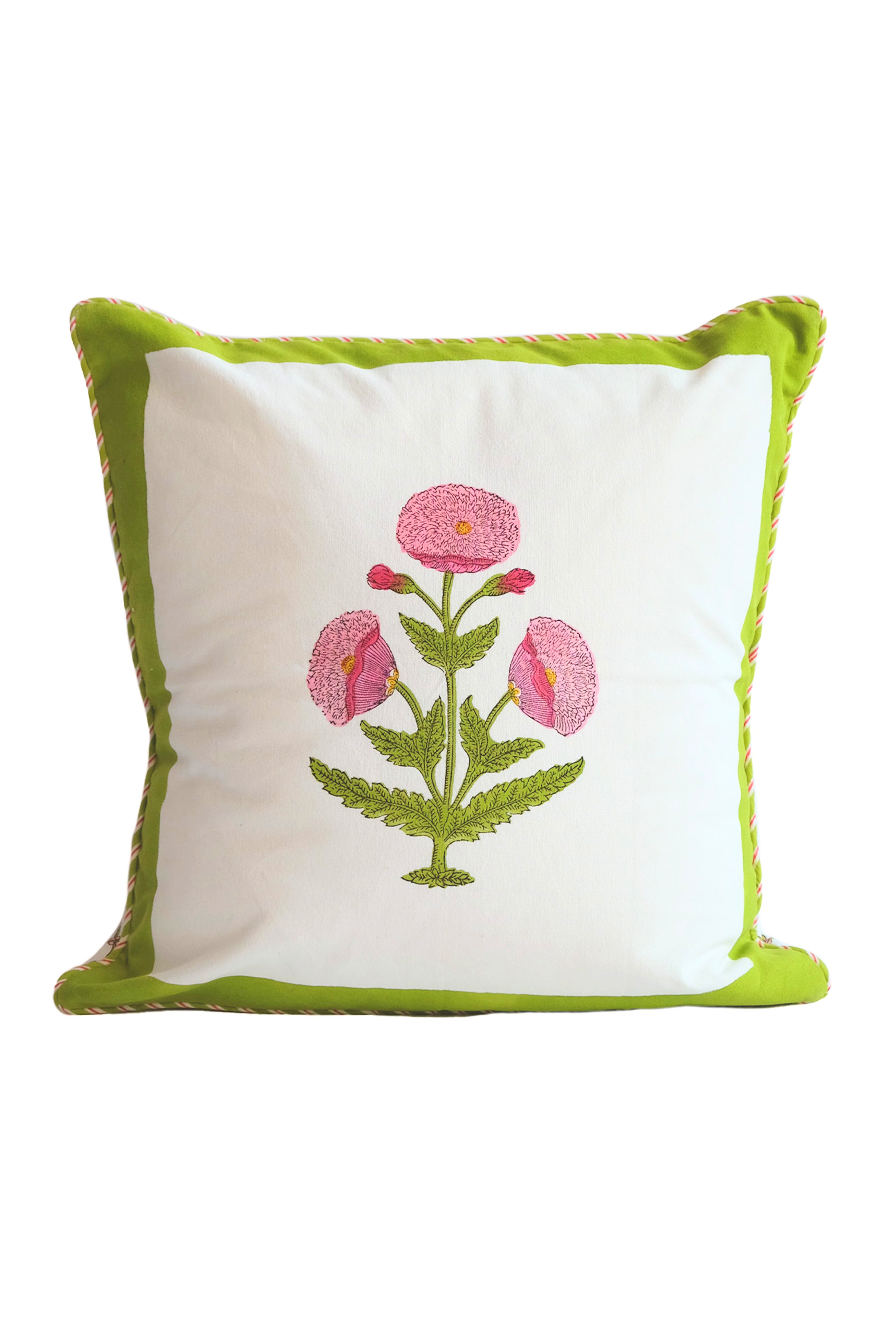
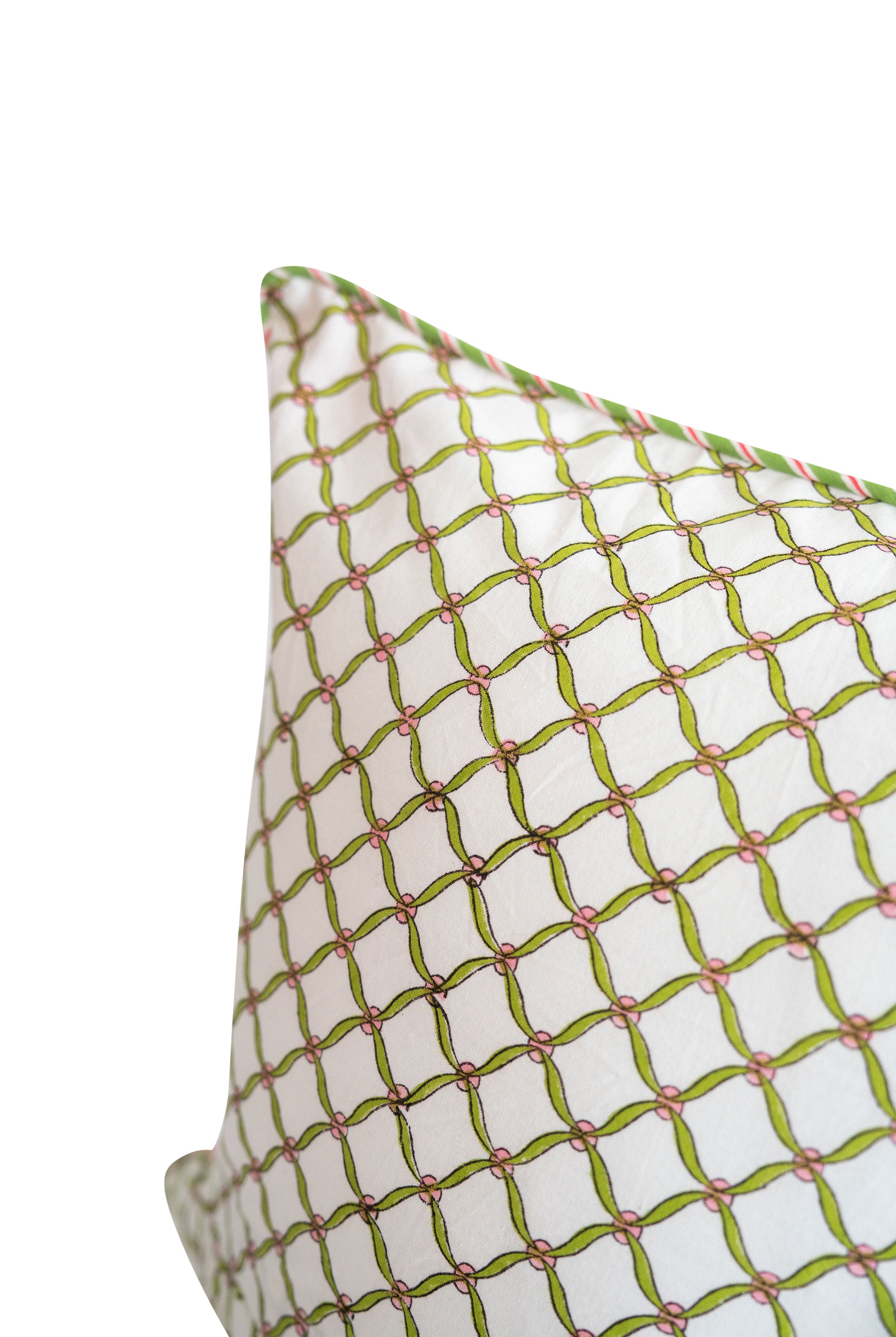
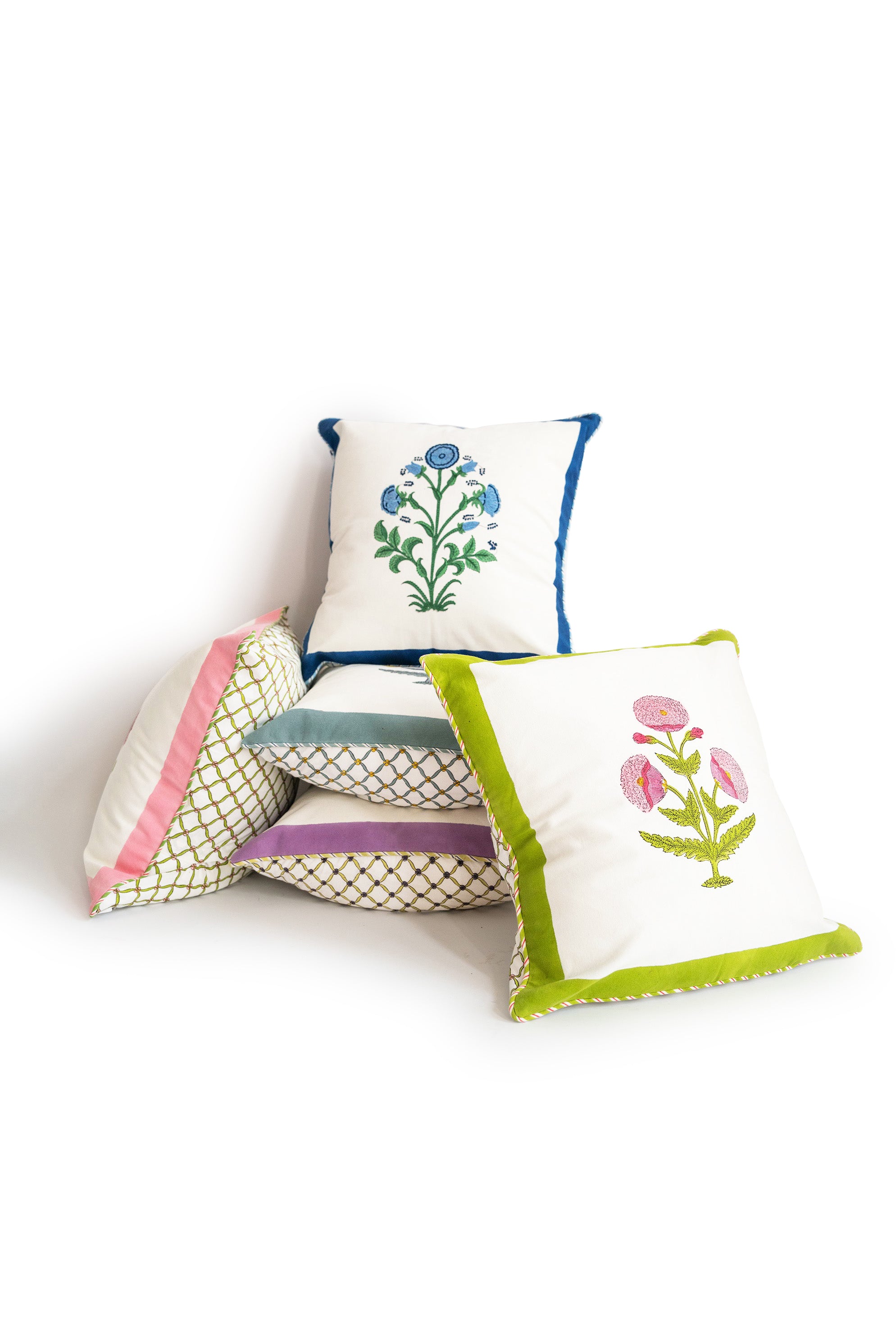
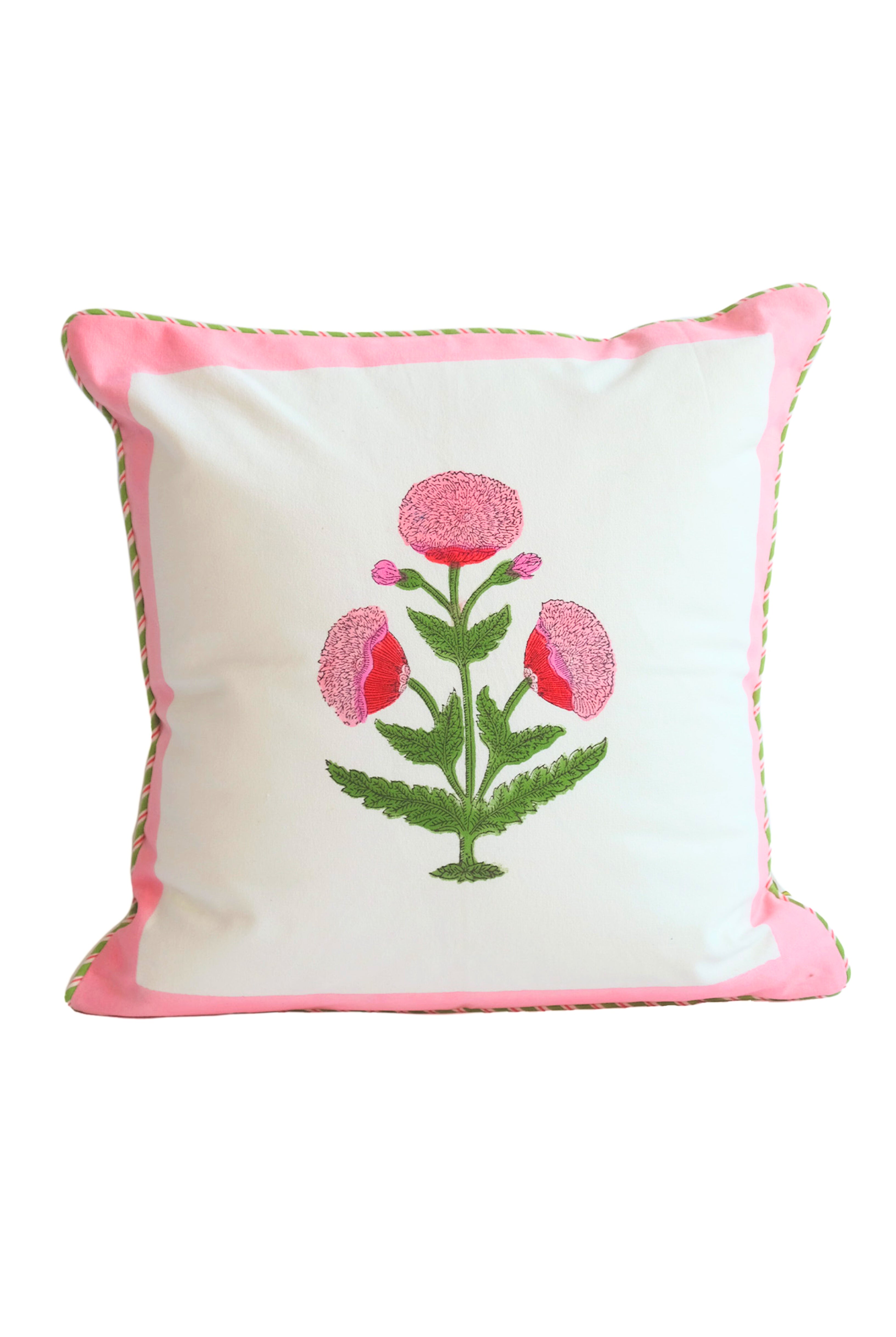
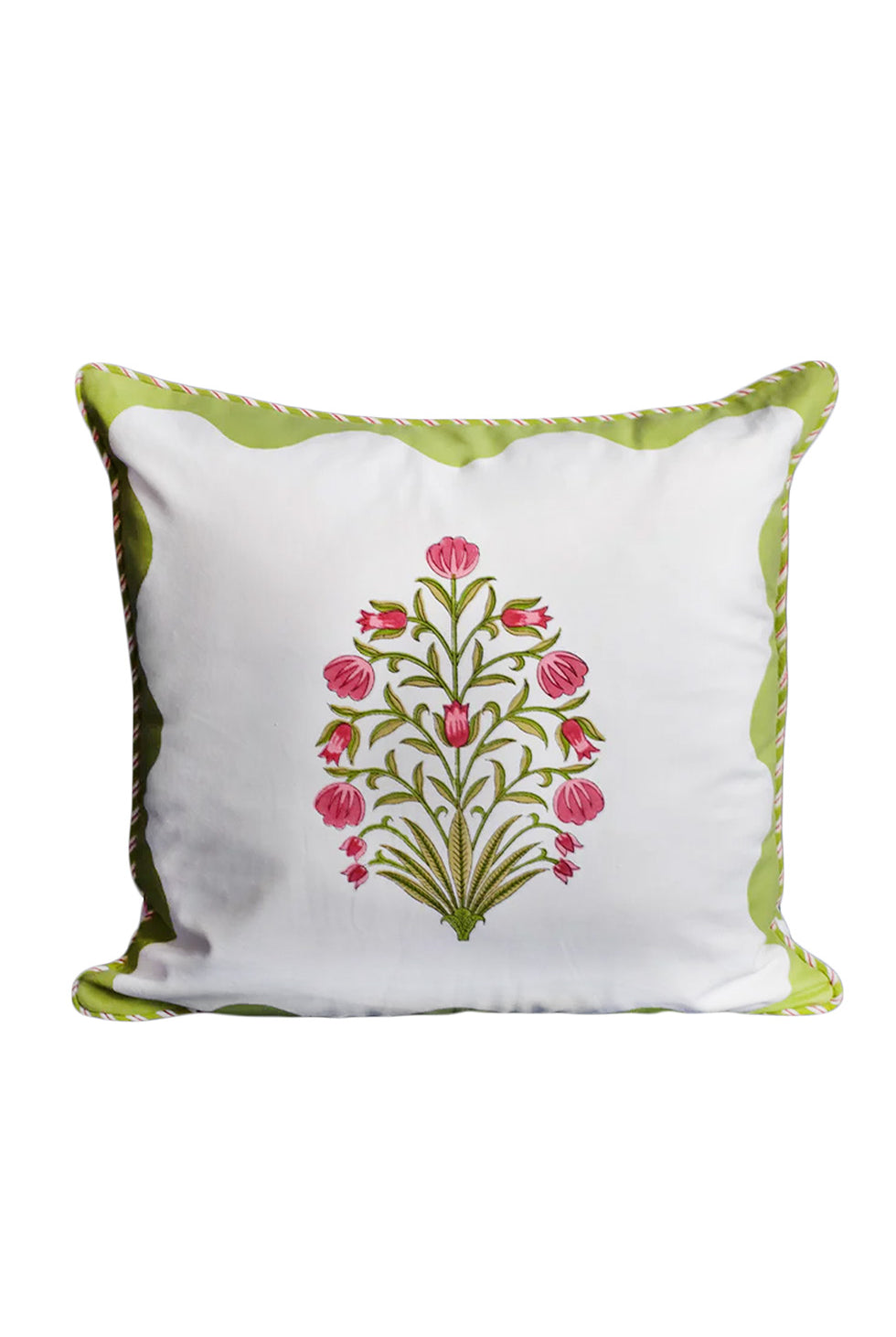
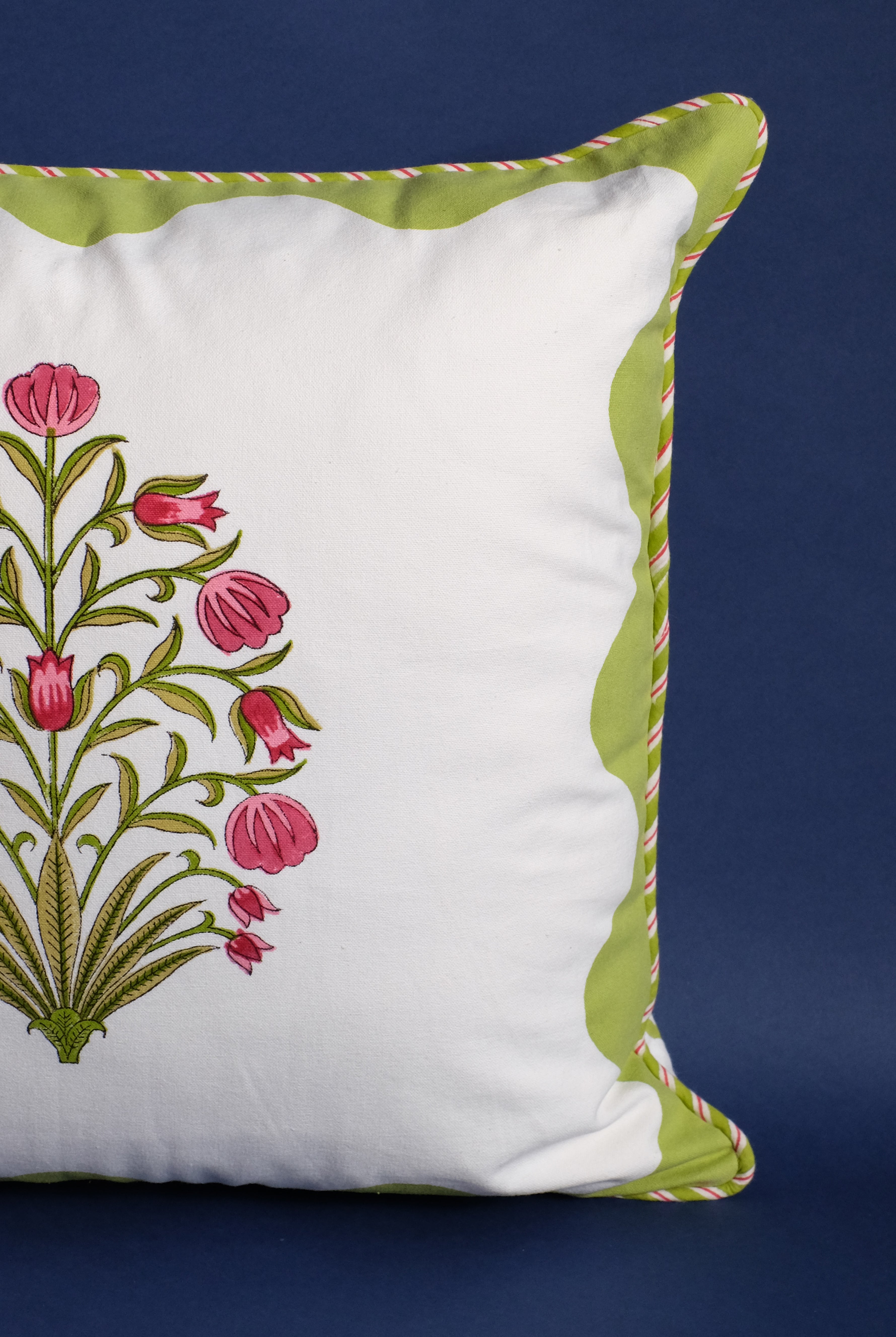
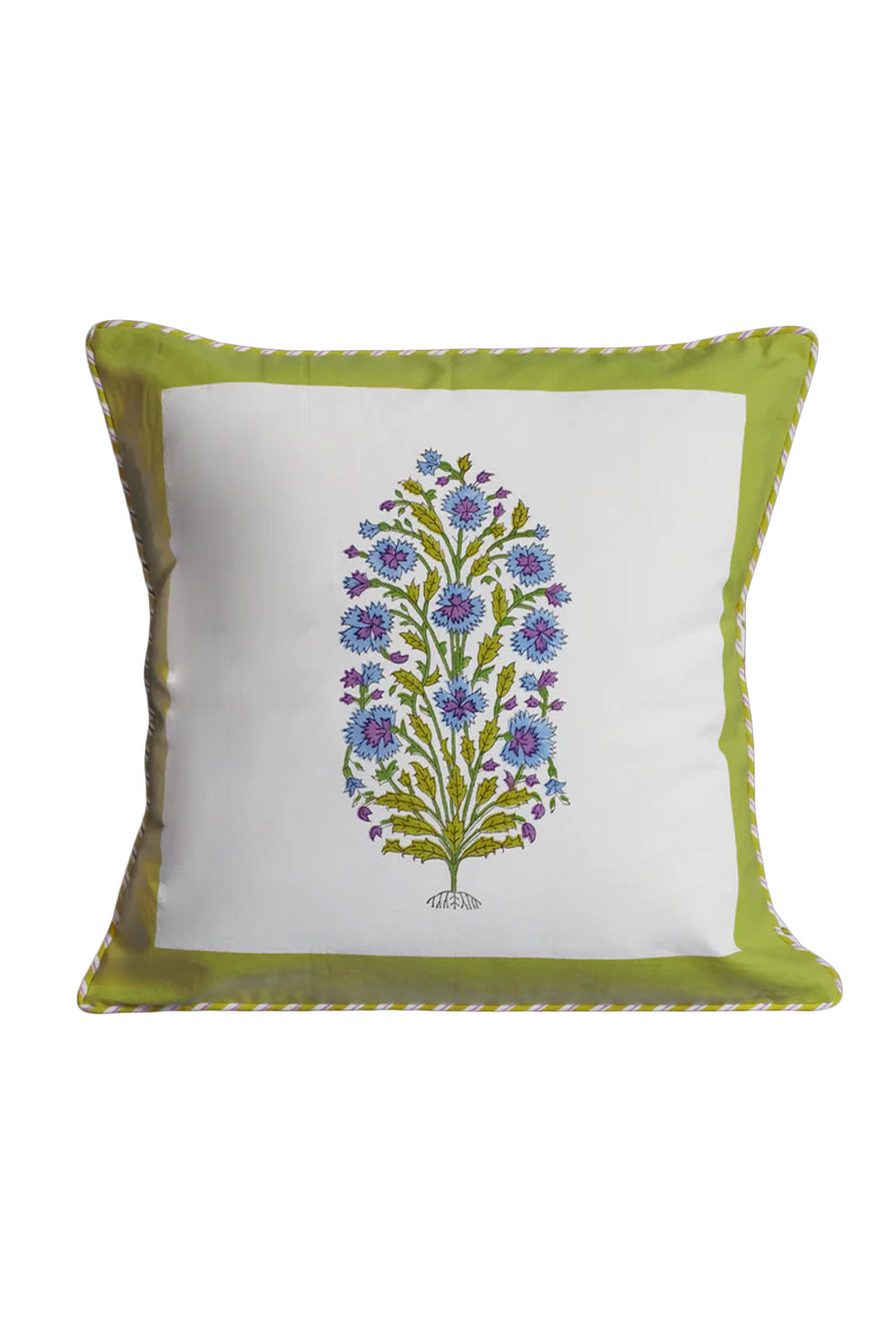
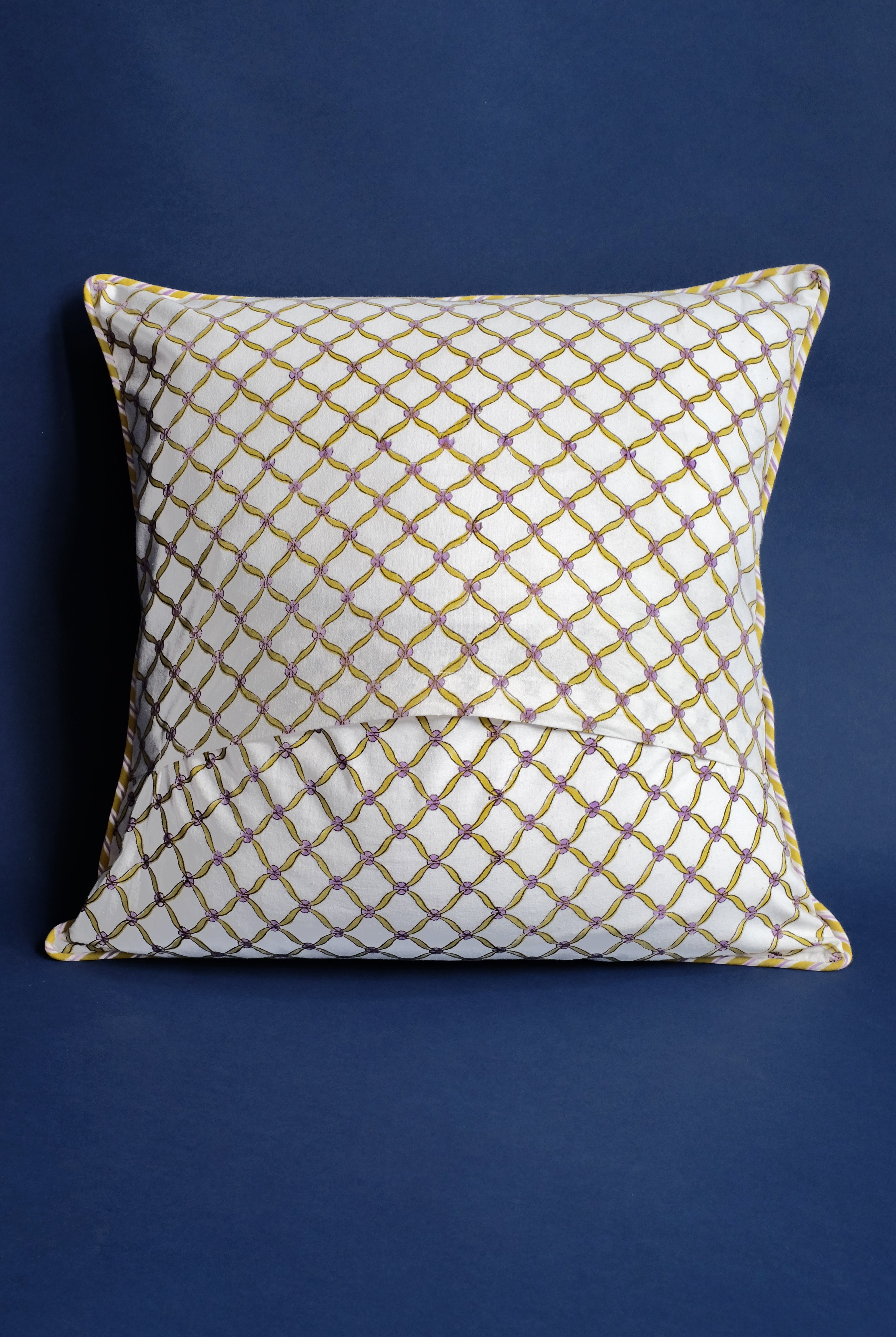
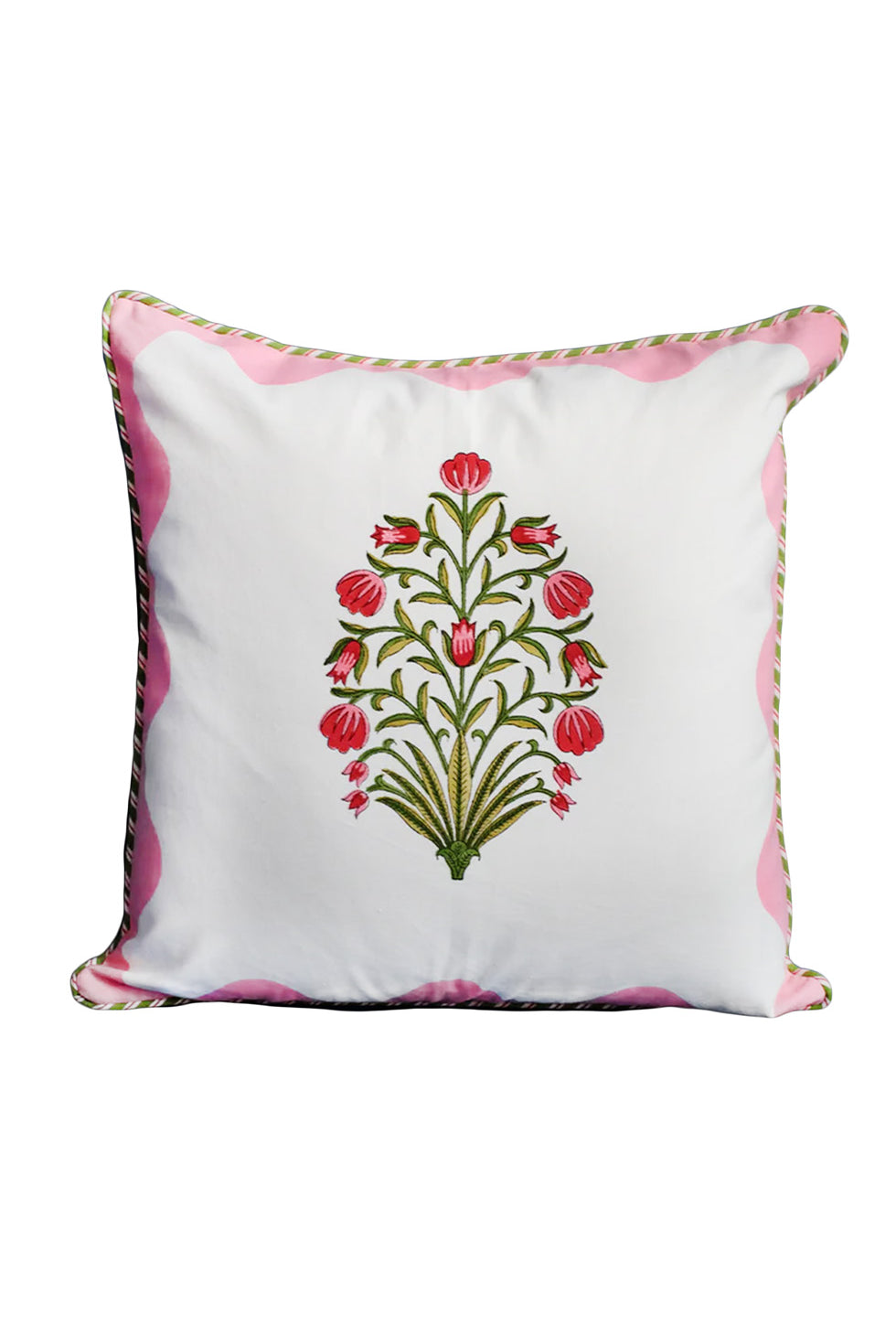
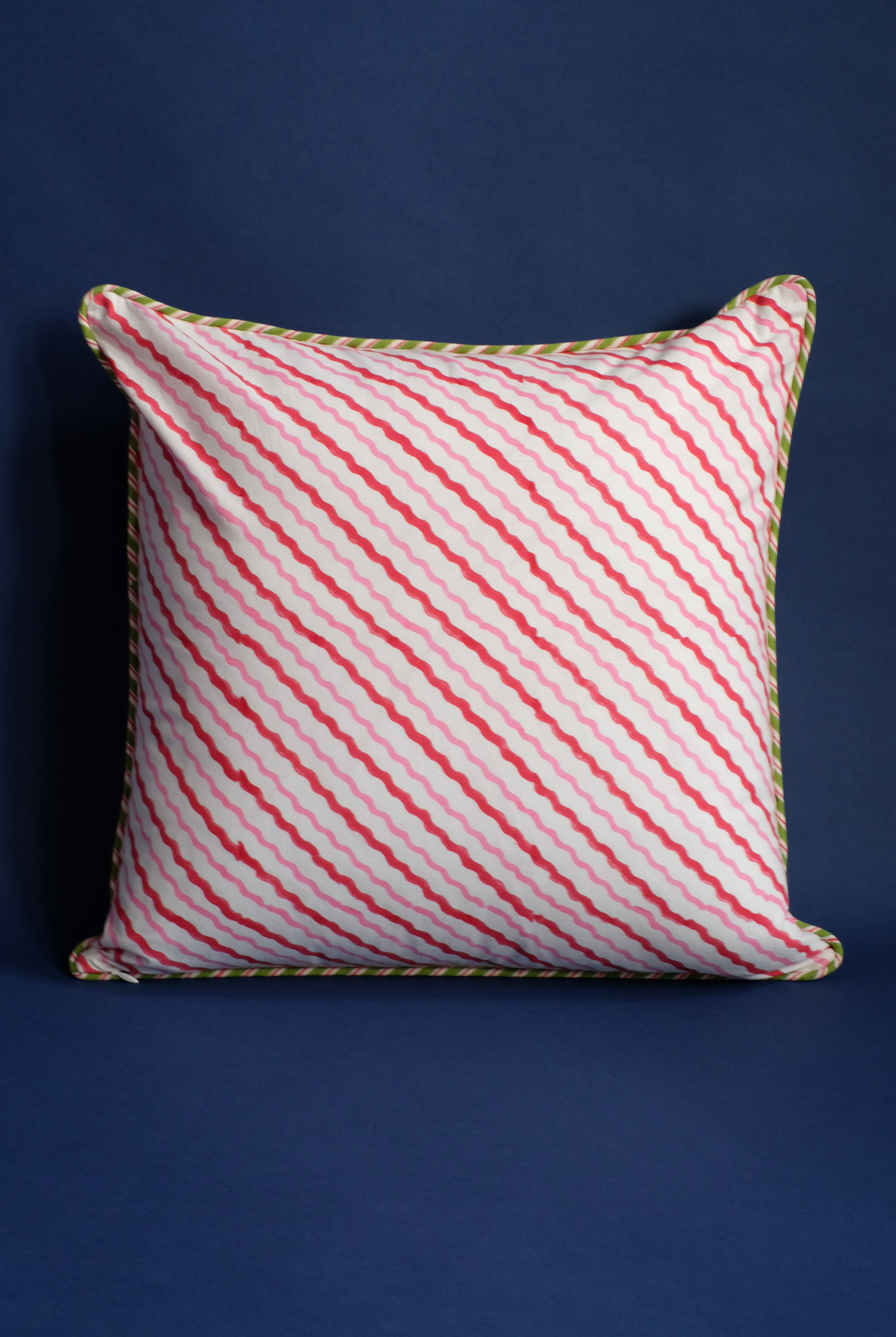
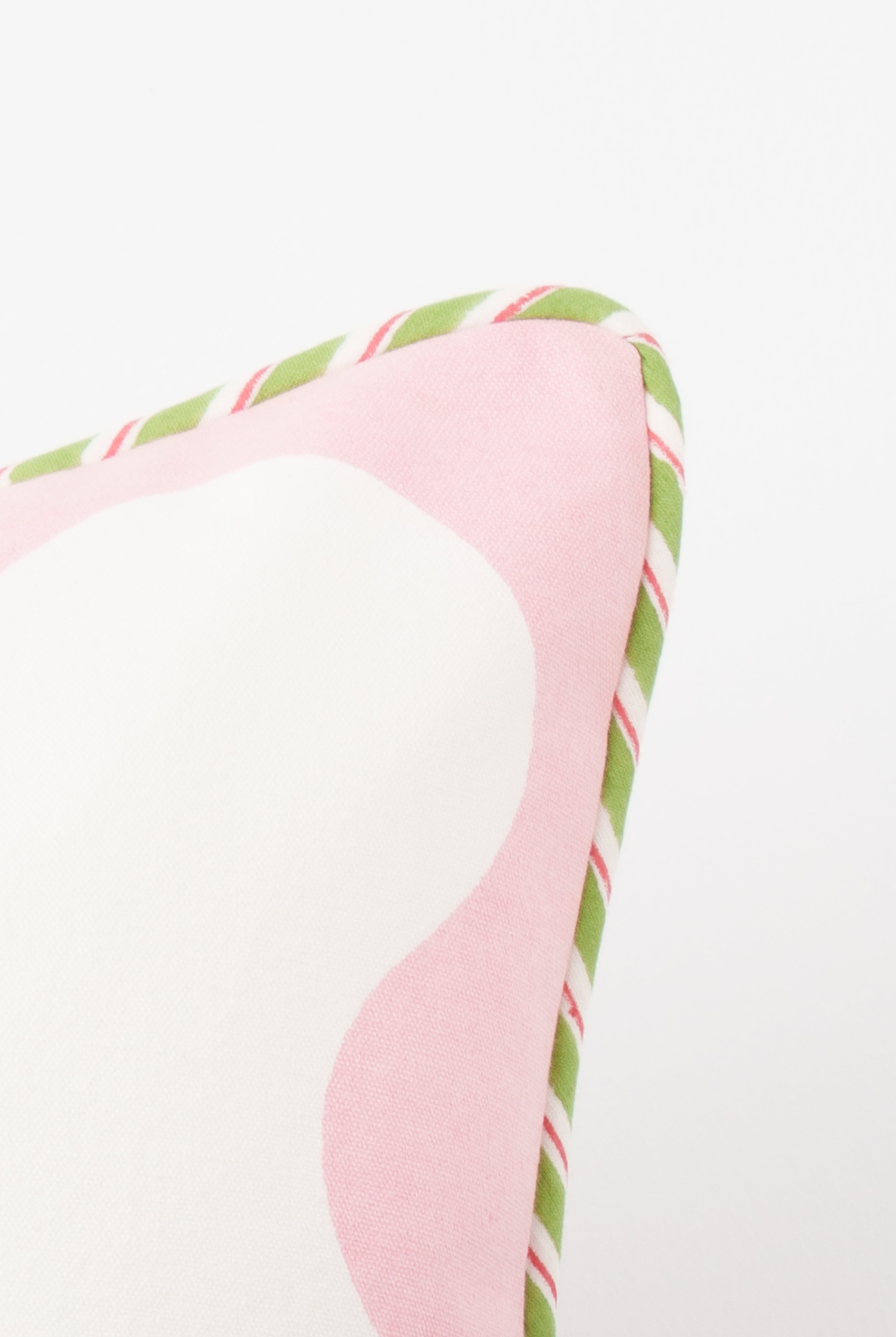
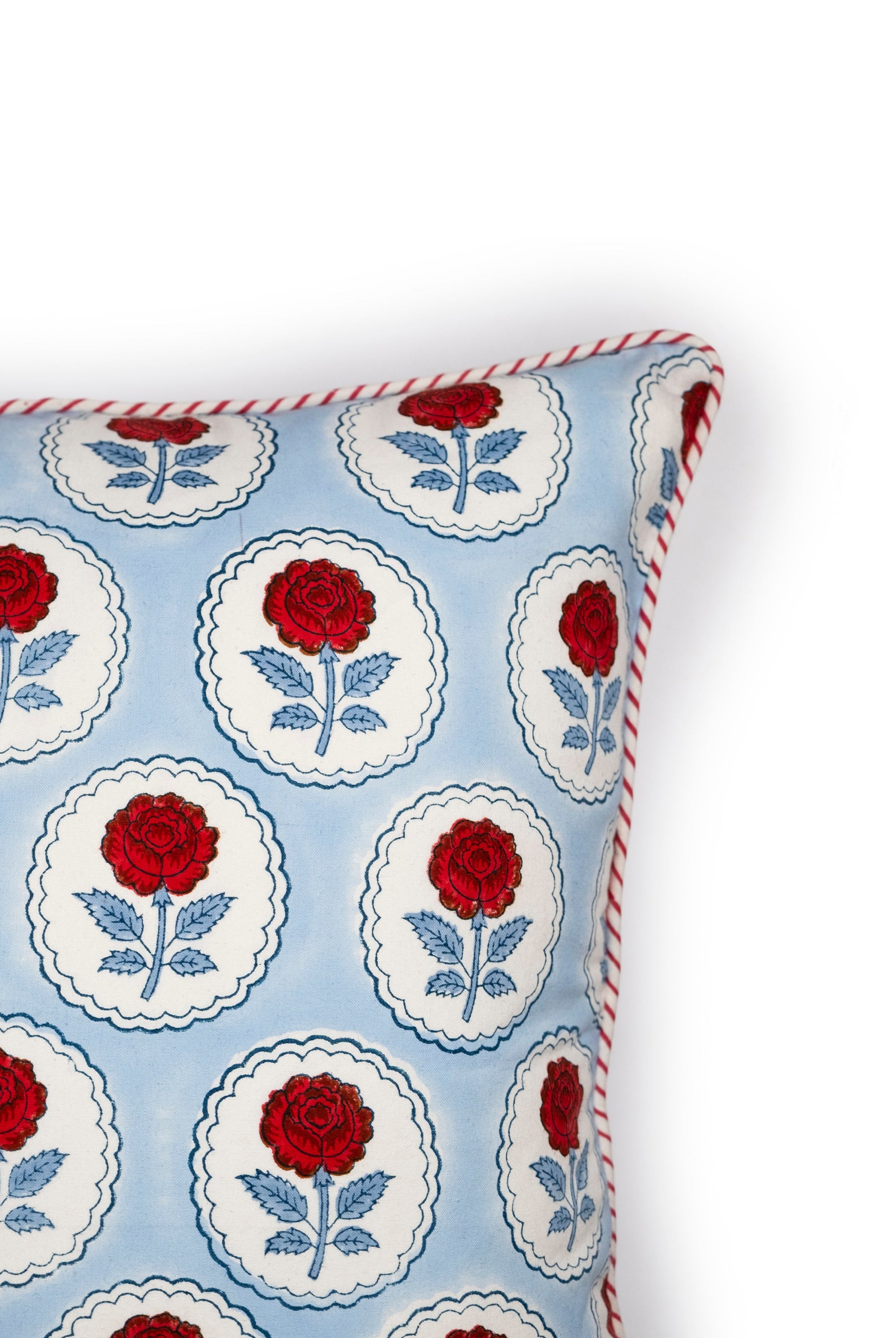
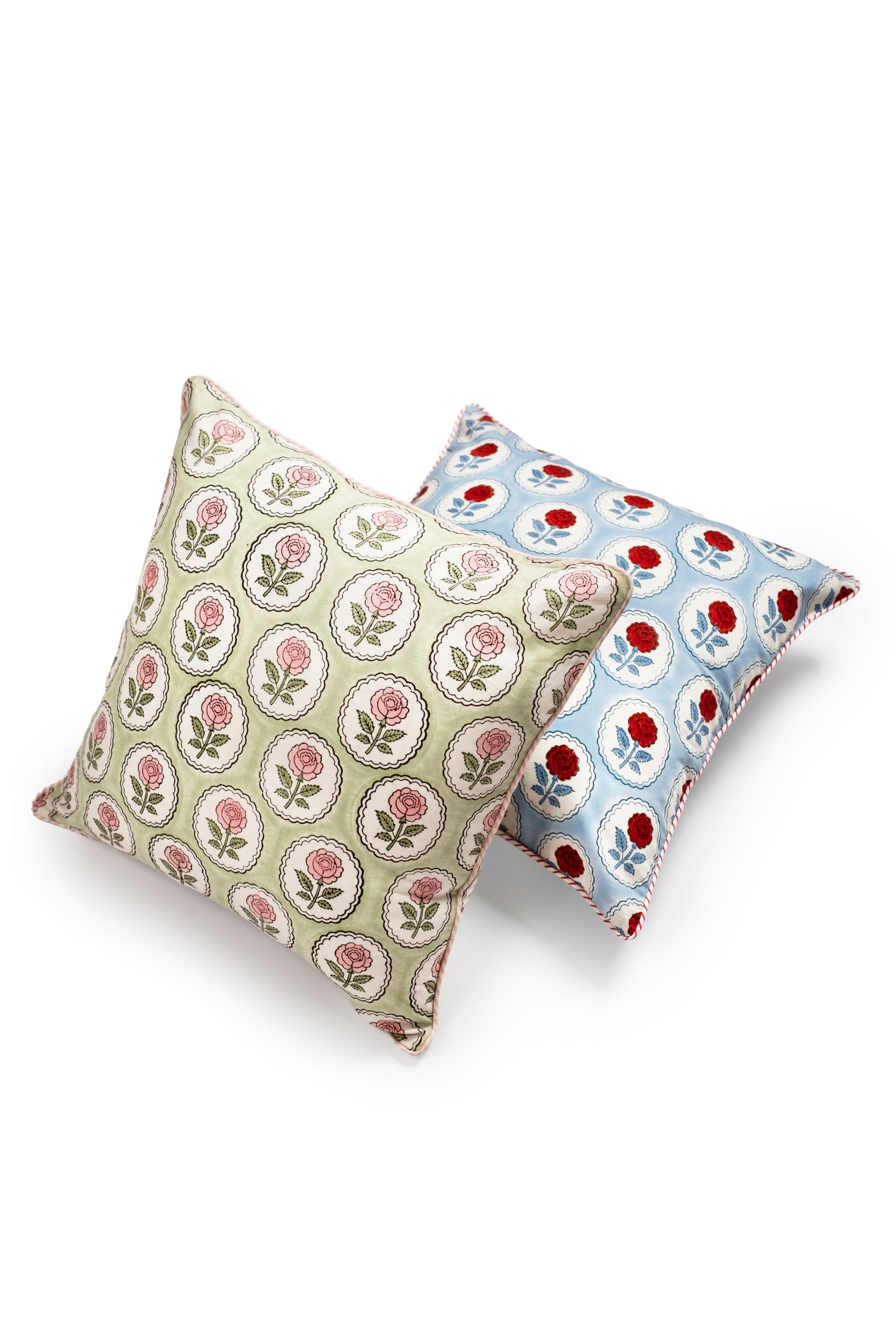
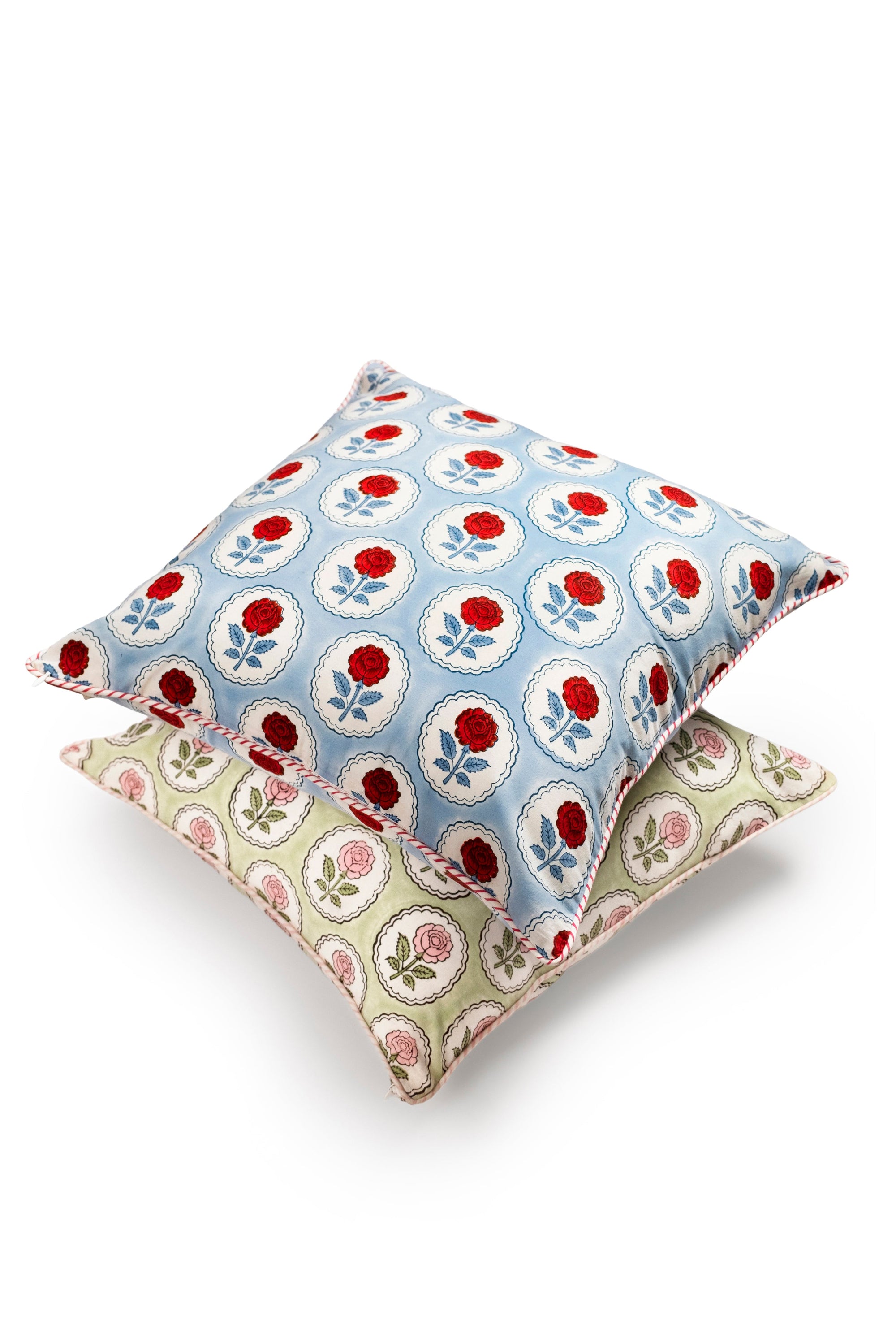
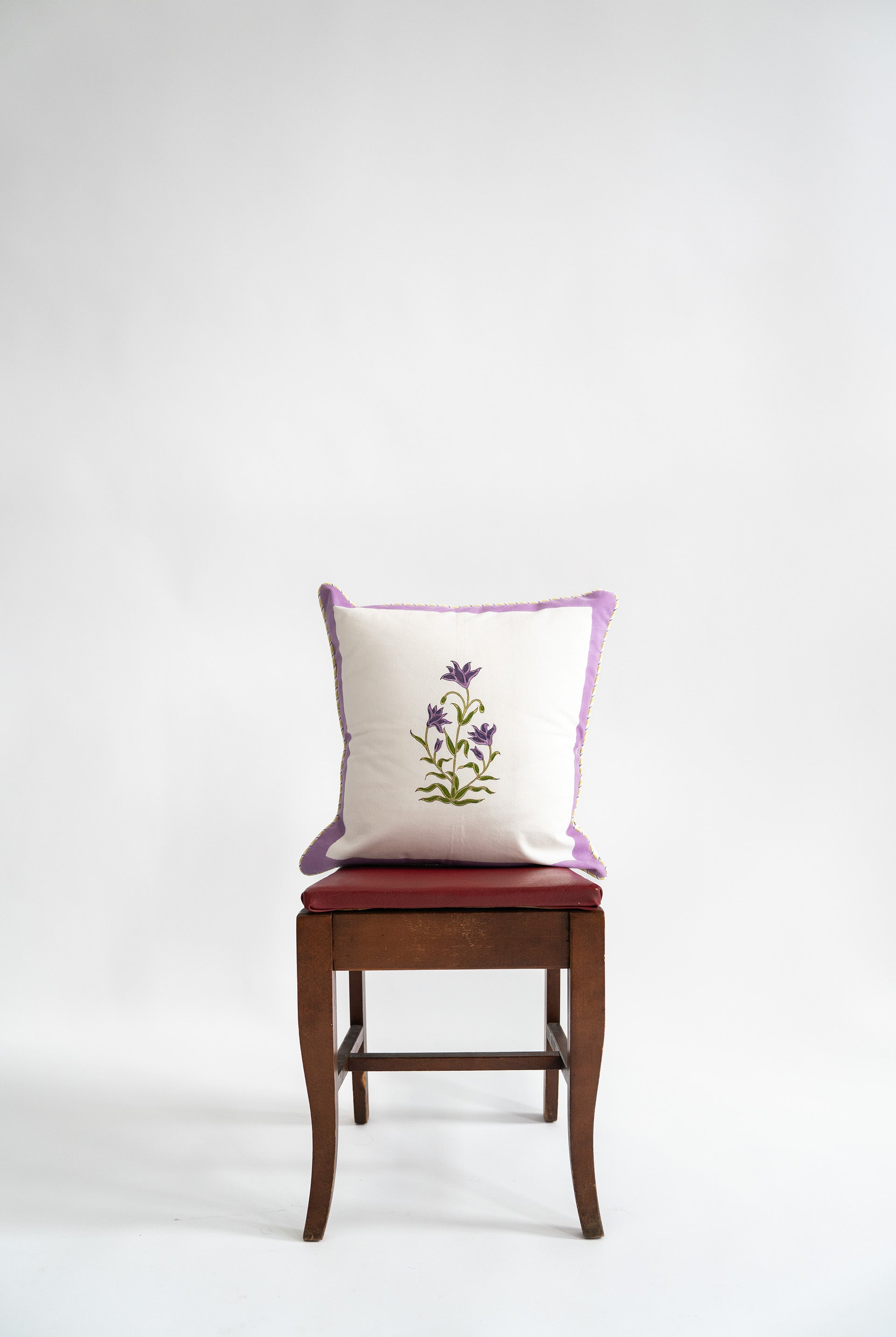
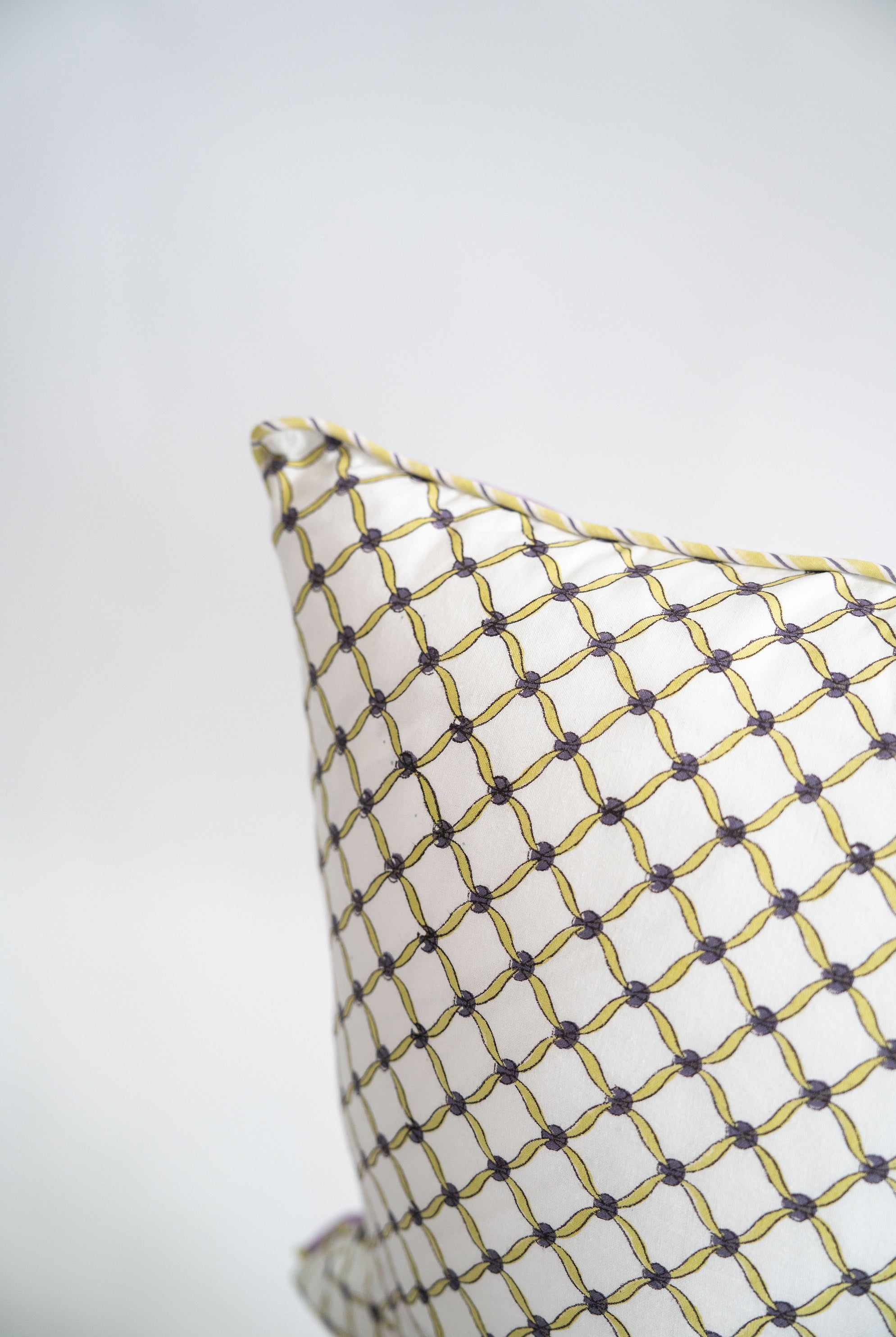
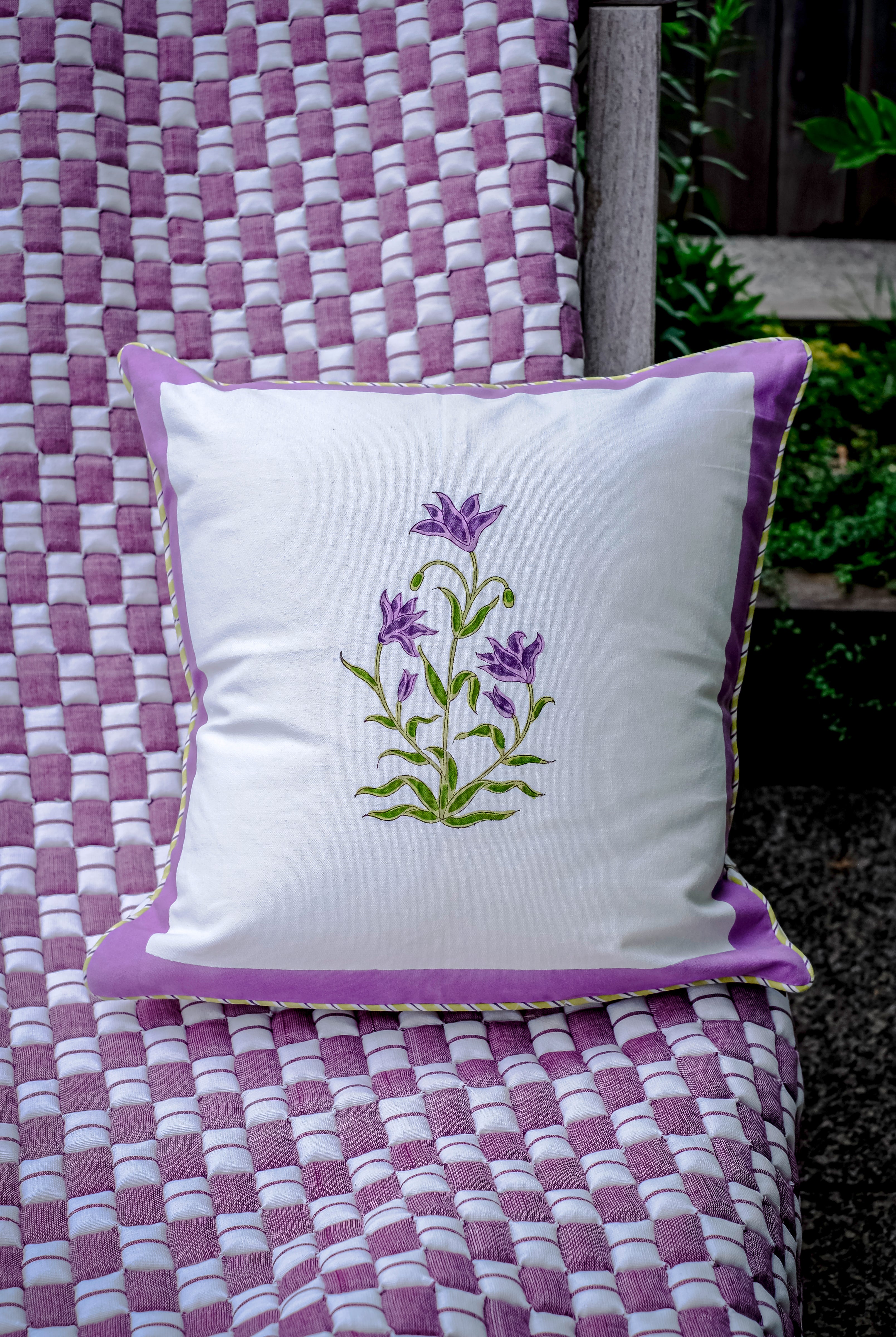
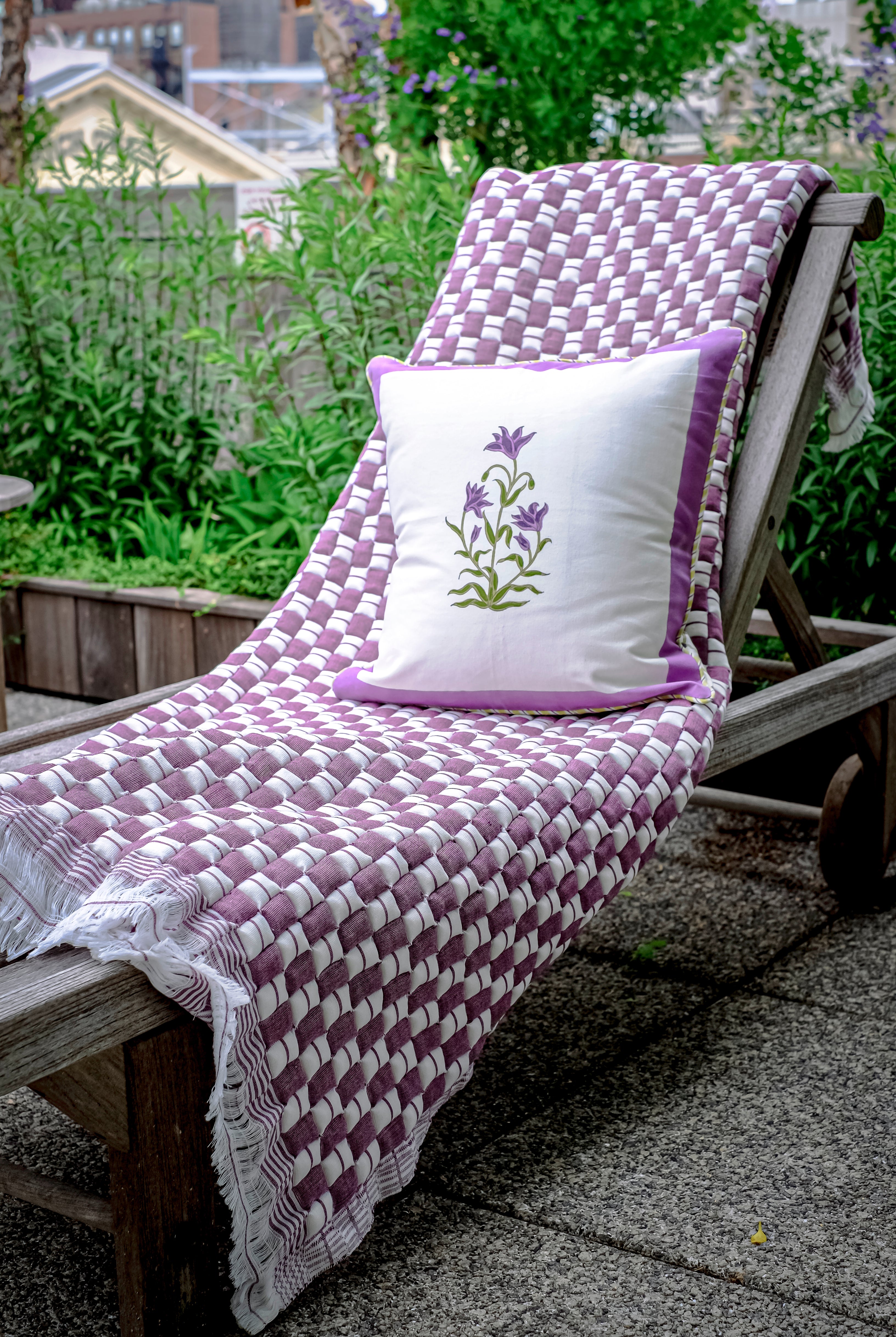
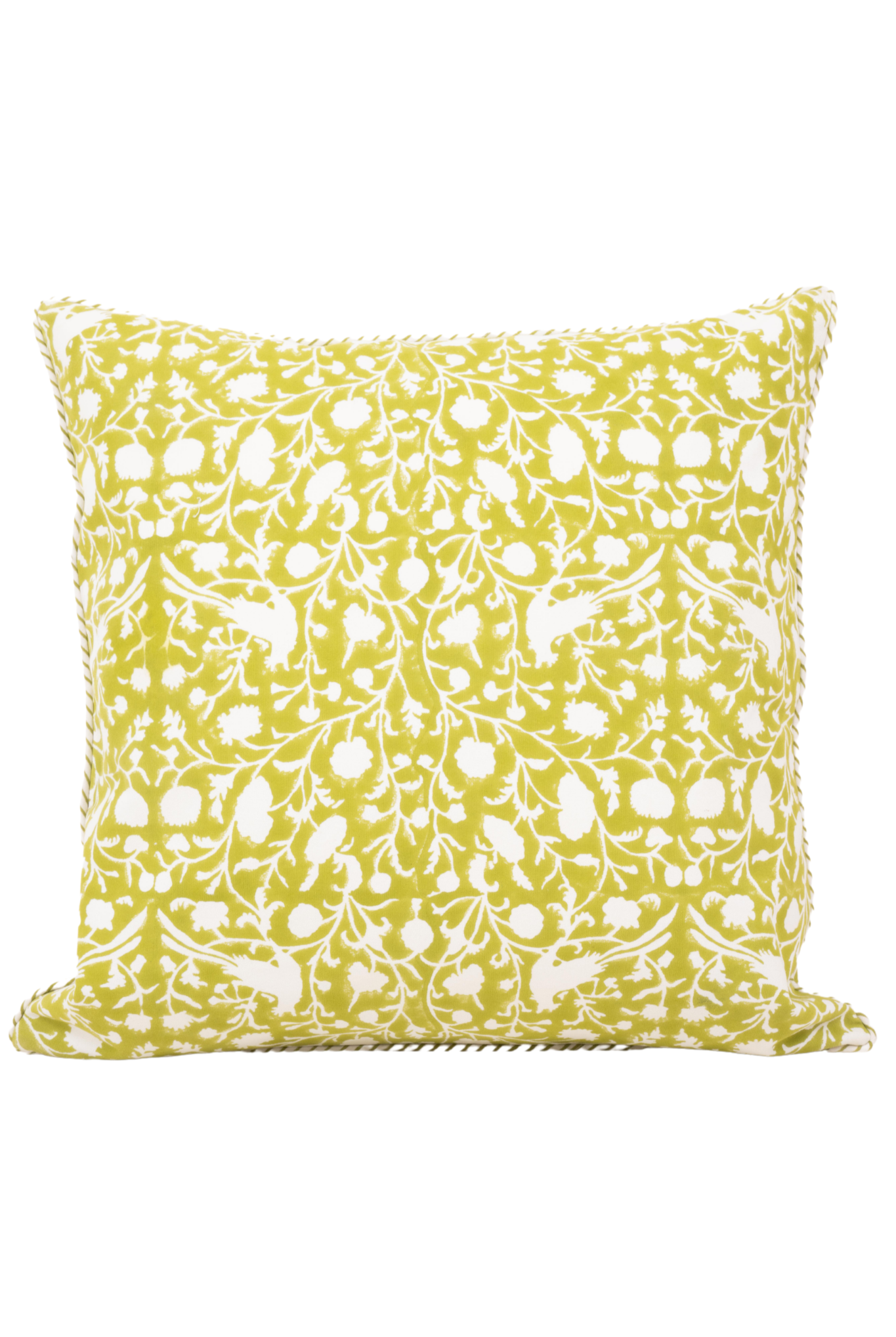
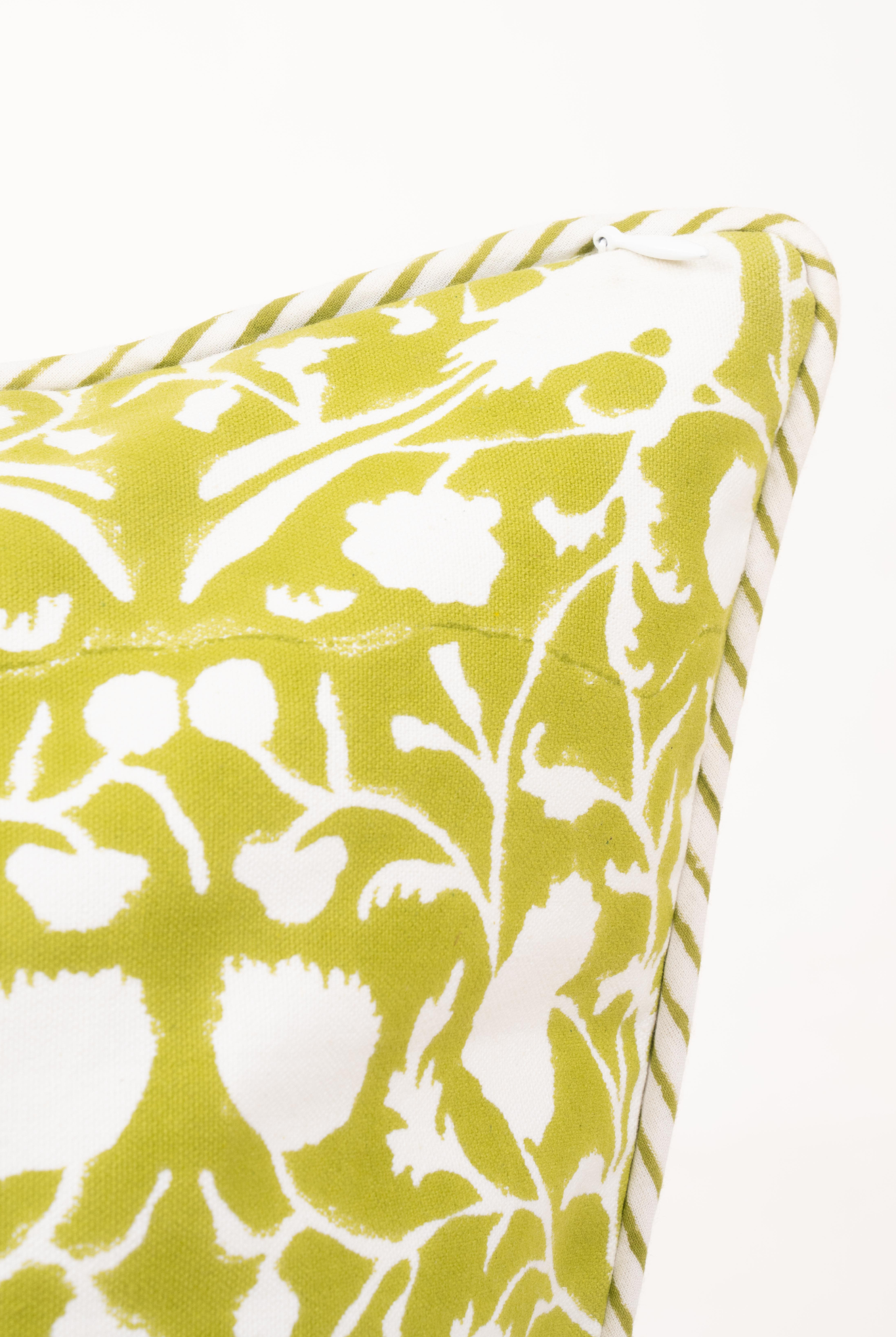
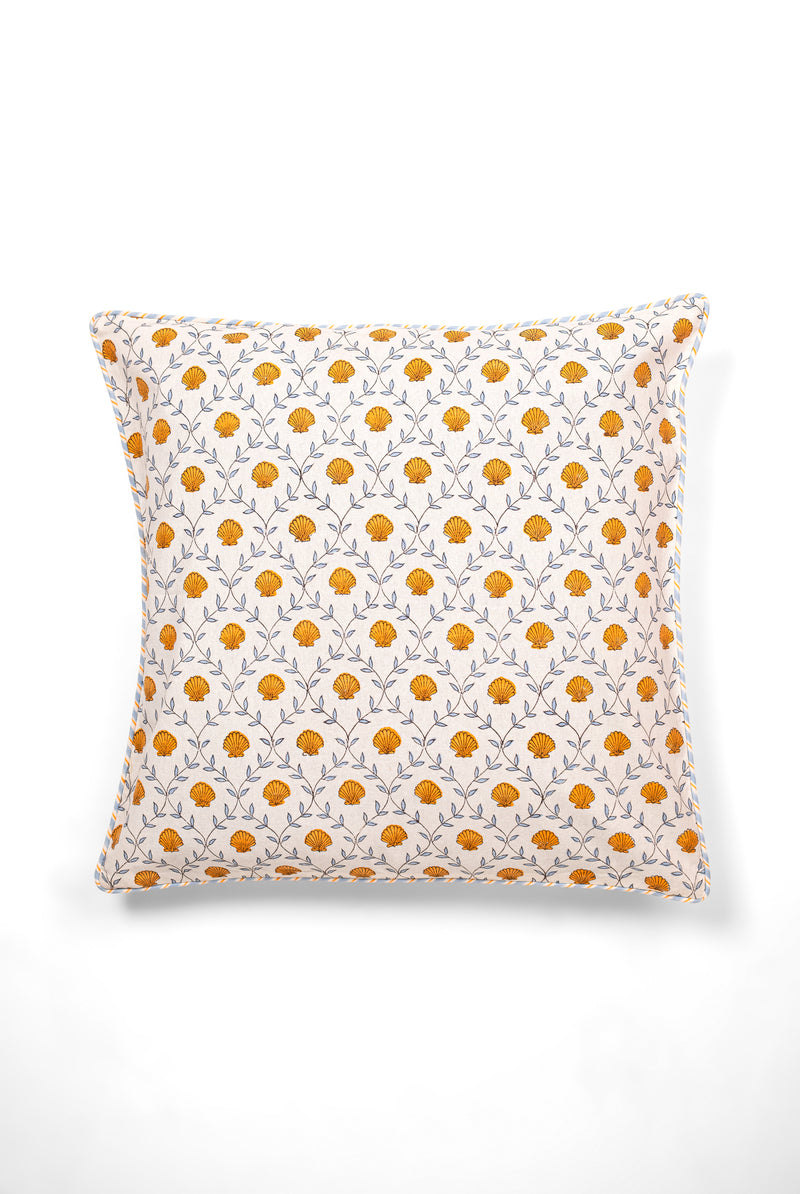
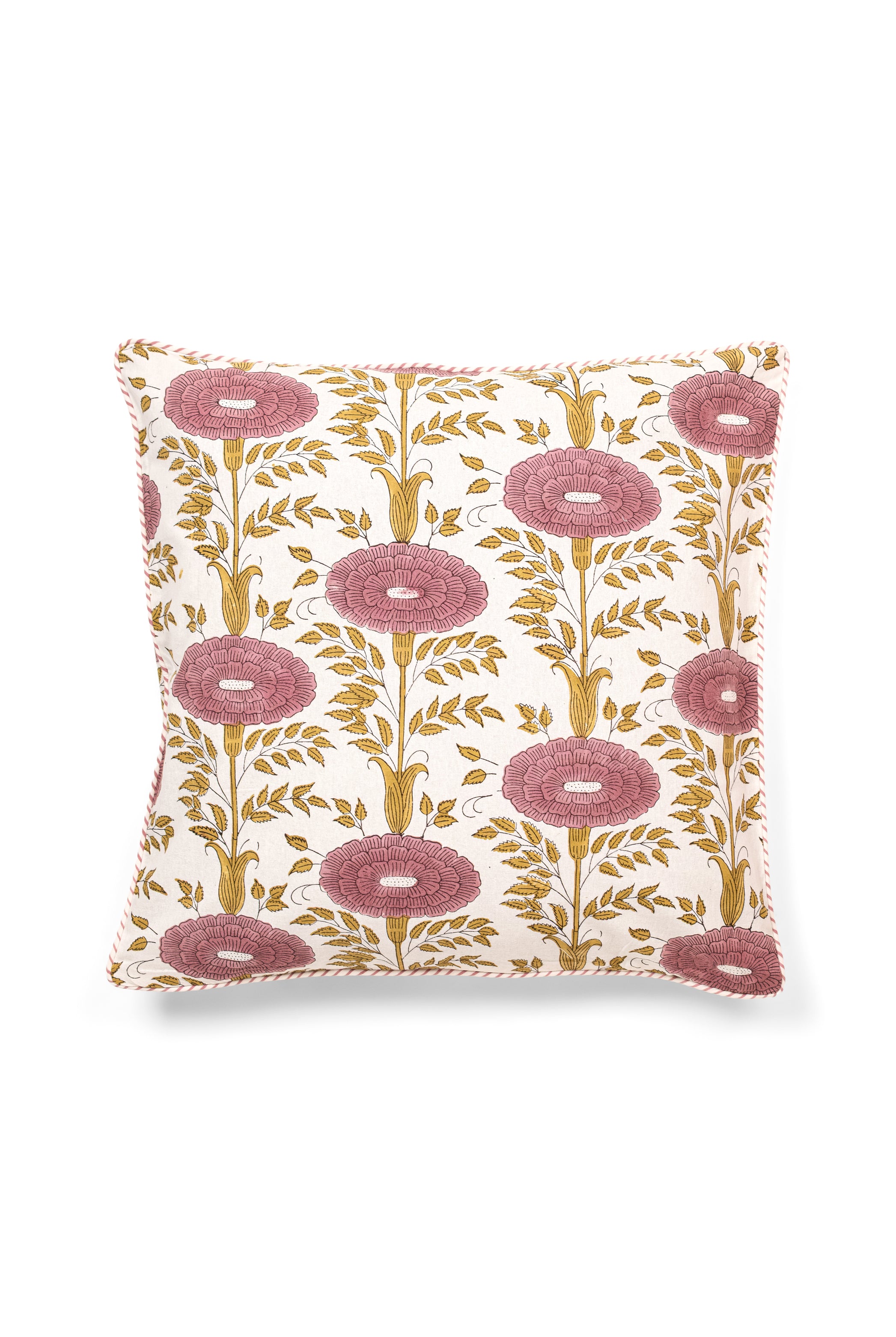
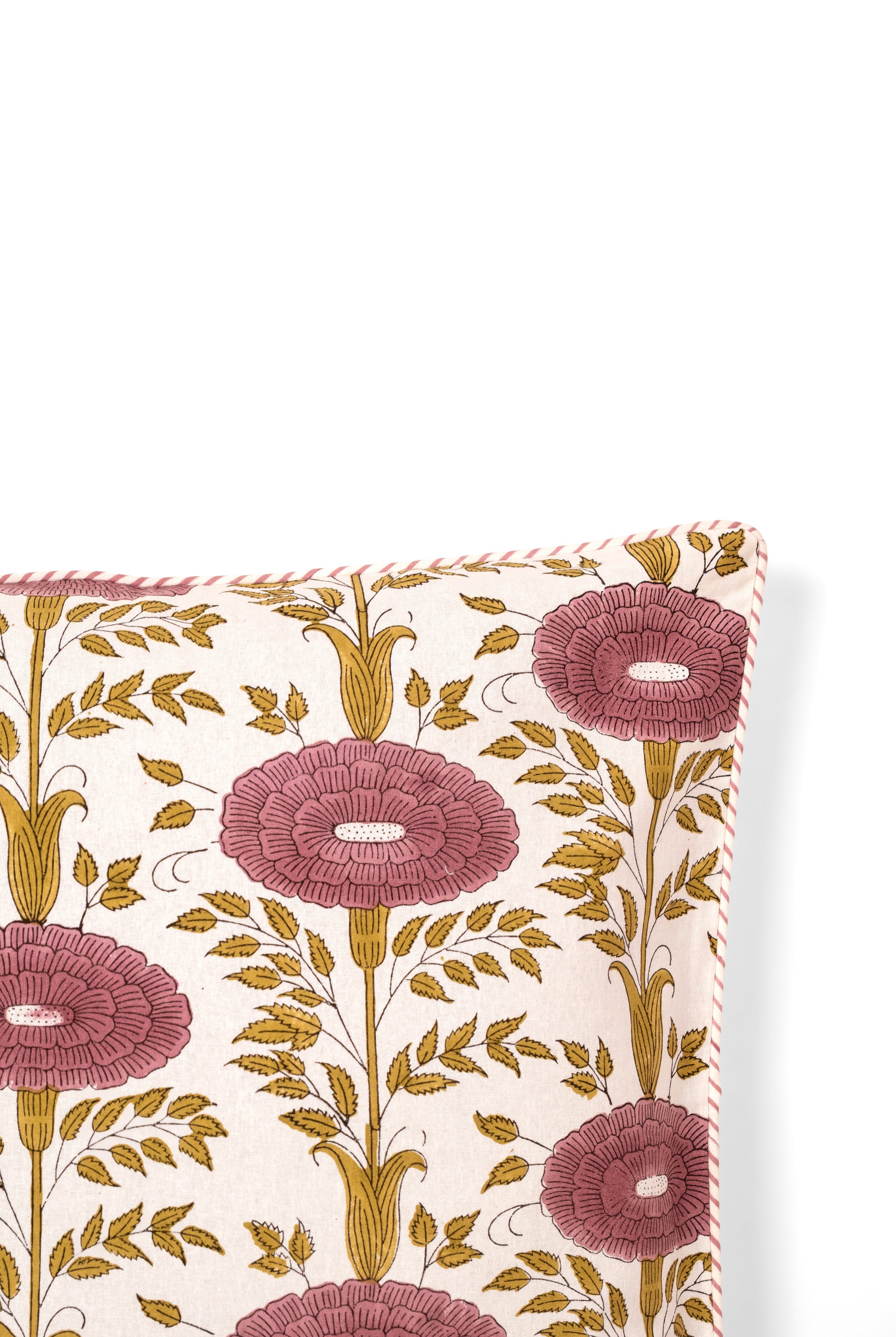
Each piece begins with hand-carved wooden blocks, pressed into fabric with centuries of tradition behind every print.
From the workshop
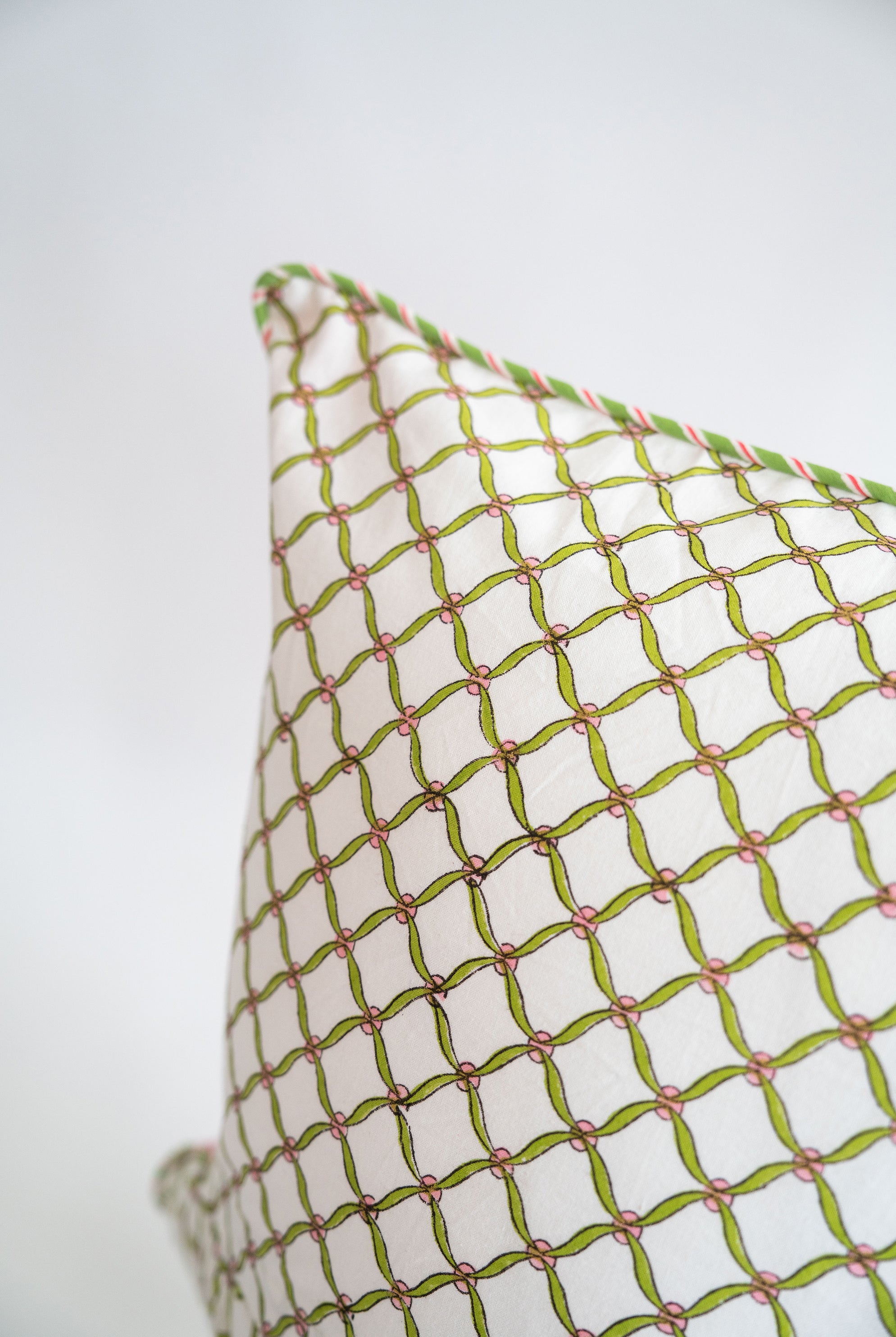
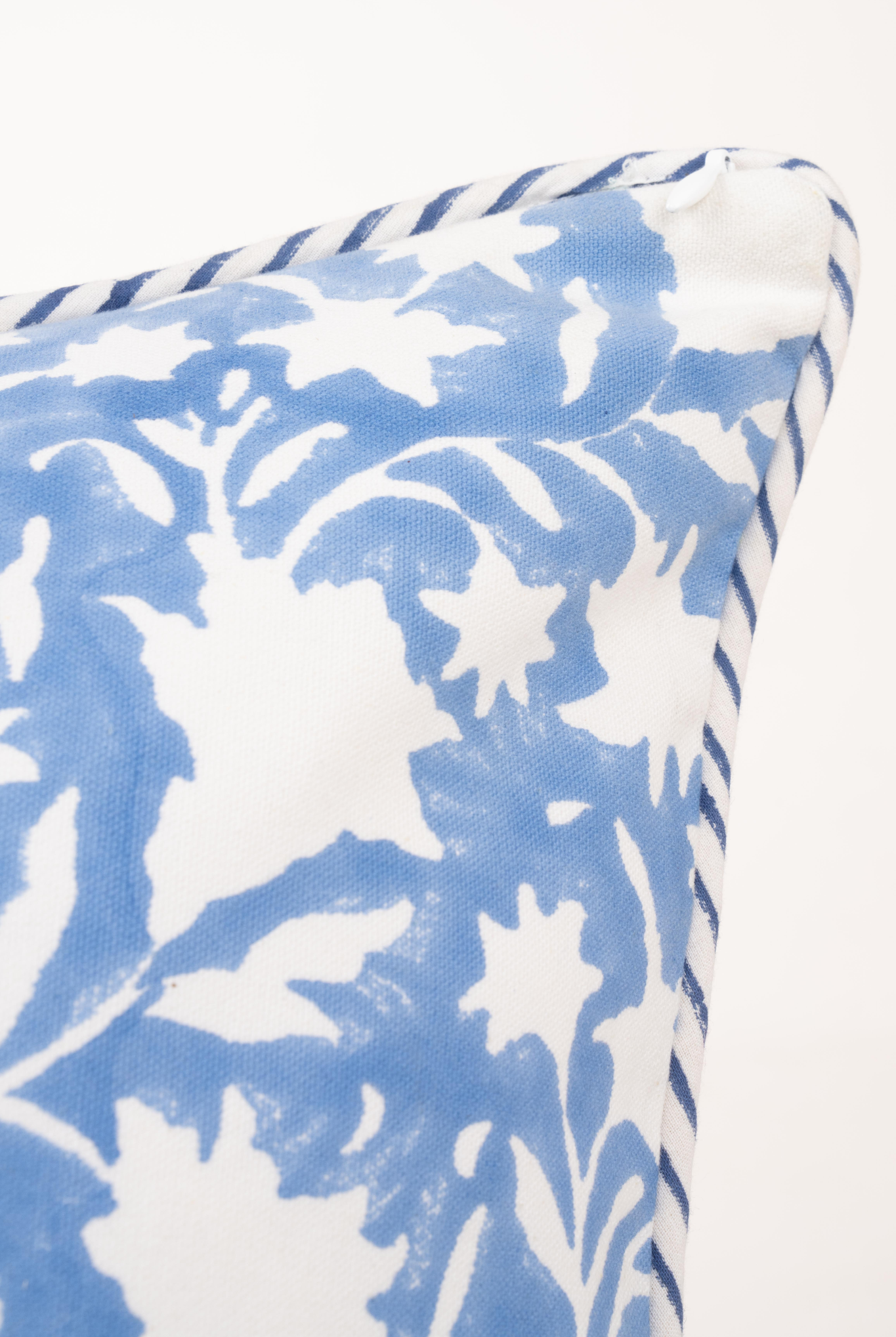
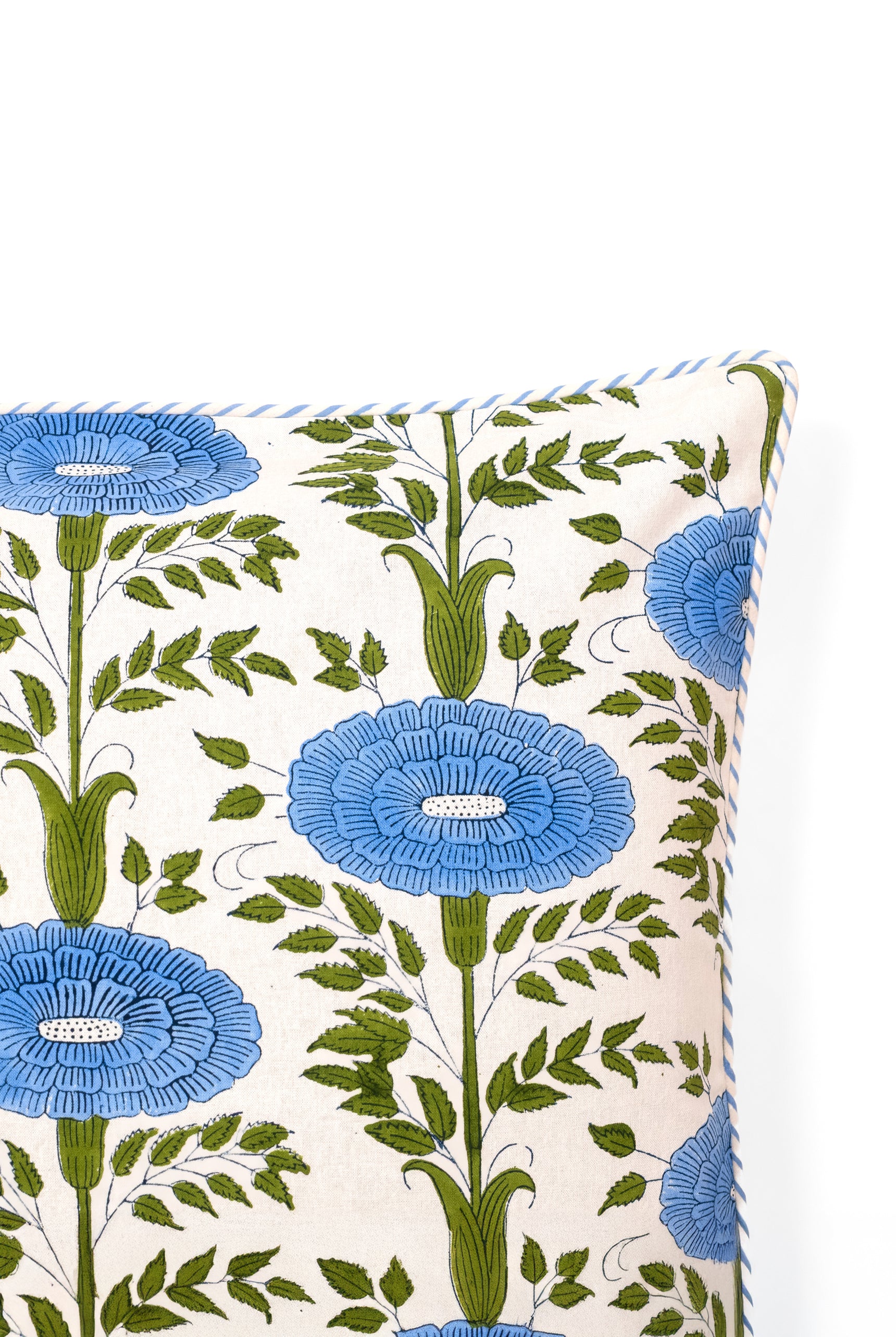
The craft in detail